
Guide to the Icelandic Language
Learn about the Icelandic language, its history, unique alphabet, phrases, and tips for speaking like a local before your trip to Iceland.
Exploring Iceland isn’t just about breathtaking waterfalls and volcanic landscapes, it’s also about discovering a language that’s as unique and enduring as the island itself. This guide will help you understand, appreciate, and even speak a few words of Icelandic before your next adventure.
What Language do They Speak in Iceland?
The official language of Iceland is Icelandic (Íslenska), a North Germanic language spoken by about 370,000 people. It’s closely related to Old Norse. Despite globalization, Icelanders take great pride in preserving their language as a vital part of their national identity.
Brief Introduction to Icelandic
Icelandic originated from Old Norse, brought by settlers from Norway and the British Isles in the 9th century. What’s fascinating is how little it has changed over the centuries. Modern Icelanders can still read the medieval sagas written over 800 years ago!
The Icelandic Alphabet
The Icelandic alphabet has 32 letters, including some unique ones like Þ (thorn) and Ð (eth), which don’t appear in English. Some letters such as C, Q, W, and Z are not part of the Icelandic alphabet. Each letter has a distinct sound, making pronunciation a fun challenge for learners.
The Icelandic Pronunciation
Pronunciation in Icelandic can seem tricky at first. For example, the famous volcano Eyjafjallajökull is pronounced roughly as “AY-ya-fyat-la-yoe-kutl.” Each letter is pronounced clearly, and stress almost always falls on the first syllable of a word.
Can I Speak in English in Iceland?
Yes! English is widely spoken in Iceland, especially in Reykjavík and tourist areas. Most Icelanders speak English, but learning a few local phrases can go a long way in showing respect and impressing the locals during your travels.
Some Useful Icelandic Phrases
Here are some handy Icelandic expressions to use on your trip:
Hi / Hello - Hæ / Halló
Good morning / Good day - Góðan daginn
Good evening - Gott kvöld
Good night - Góða nótt
Goodbye – Bless
Bye - Bæ
Thanks - Takk / Takk fyrir
Yes - Já
No - Nei
See you - Sjáumst
My name is - Ég heiti
I don’t speak Icelandic - Ég tala ekki íslensku
Nice to meet you - Gaman að kynnast þér
I love you - Ég elska þig
Beer - Bjór
Bread - Brauð
Hot dog - Pylsa
Interesting Icelandic Sayings & Proverbs
Icelanders love colorful expressions that reflect their resilient spirit and connection to nature. A few favorites include:
- “Þetta reddast” – Literally “it will all work out.” Often called the Icelandic motto for optimism and perseverance.
- “Gluggaveður” – “Window weather,” meaning it looks nice outside, but it’s too cold or windy to actually go out.
- “Að ganga á lagið” – Literally “to walk on the song,” meaning to seize an opportunity or take initiative.
Is Icelandic Hard to Learn?
Icelandic can be challenging due to its complex grammar and unique sounds, but it’s incredibly rewarding. The key is patience and consistency. Even learning a few basic words will enhance your travel experience and connect you more deeply with Icelandic culture.
Useful Tools to Learn Icelandic Before Your Trip
Before you go, check out these resources to get started:
- Apps: Drops, Memrise, TVÍK
- Online Courses: Icelandic Online (University of Iceland)
- YouTube Channels: “Icelandic with Ásta” and “Easy Icelandic”
- Phrasebooks: Lonely Planet Icelandic Phrasebook
A few minutes a day can help you build confidence before you arrive.
Fun Facts About the Icelandic Language
- The Icelandic alphabet has unique letters like Þ and Ð.
- Icelandic rarely borrows foreign words but creates new ones instead. For example, Batman becomes Leðurblökumaðurinn (“The Leather Bat Man”).
- Icelanders use patronymic names rather than surnames, based on their father’s (or sometimes mother’s) first name.
- The language forms many compound words, making it expressive and poetic.
For more interesting facts about Iceland, check out our blog.
Ready to Experience Iceland Like a Local?
Learning even a little Icelandic will make your journey richer and more meaningful. Whether you’re exploring Reykjavík or driving through lava fields and fjords, understanding the language adds a deeper layer to your adventure.
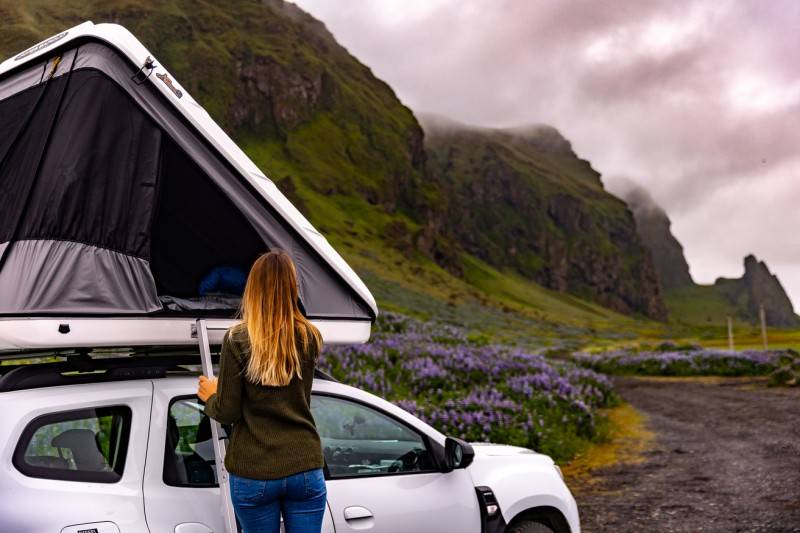
Get ready to explore, and rent a car in Iceland, to experience the island’s magic at your own pace.
