
Driving in Iceland: Traffic Rules & Safety Tips
Driving in Iceland offers a unique experience, and understanding local traffic rules and safety guidelines is essential for a safe and enjoyable journey.
Driving in Iceland offers a unique and breathtaking experience, with scenic routes that wind through dramatic landscapes of volcanoes, glaciers, waterfalls, and lava fields. However, the country’s challenging weather conditions, remote roads, and unfamiliar driving customs require careful preparation. Understanding Iceland’s traffic rules and safety guidelines is essential for a safe and enjoyable journey—whether you're navigating Reykjavík’s city streets or exploring the rugged highlands. This guide covers the key regulations, practical tips, and safety advice to help you drive confidently and responsibly across Iceland.
Why it is Essential to Understand Iceland’s Driving Rules
Understanding Iceland’s driving rules is essential for ensuring both your safety and the safety of others on the road. The country’s unique conditions—such as rapidly changing weather, narrow gravel roads, and one-lane bridges—can be hazardous if you're unprepared. Familiarity with local laws, like mandatory headlights at all times and strict off-road driving bans, helps prevent accidents and costly fines. By knowing the rules, you can avoid dangerous situations and enjoy your Icelandic road trip.
Driving in Iceland: The Basics
Driving in Iceland is straightforward if you're aware of a few key basics. Vehicles drive on the right-hand side of the road, and headlights must be on at all times, day or night. Seat belts are mandatory for all passengers, and using a mobile phone while driving is prohibited unless you have a hands-free system. Road signs are mostly in Icelandic, so it’s helpful to familiarize yourself with common ones before setting off.
Roundabouts are common in Iceland, especially in urban areas, and understanding how to navigate them is important for safe driving. In multi-lane roundabouts, the inner lane has the right of way, which is different from many other countries. Drivers entering the roundabout must yield to traffic already inside, and when exiting, they should always signal right before leaving. Failing to follow these rules can cause confusion or accidents, so it's essential to approach roundabouts cautiously and respectfully.
Speed Limits and Key Driving Rules in Iceland
The usual speed limits in Iceland are as follows: 50 km/h (30 mph) in urban areas, 80 km/h (50 mph) on gravel roads in rural areas, and 90 km/h (55 mph) on asphalt roads. Please note: special warning signs indicate danger ahead, such as sharp bends, but there is generally not a separate sign to reduce speed. Please choose a safe speed according to conditions.
Motorists are obliged by law to use headlights at all times, day and night. In Iceland, all off-road driving is forbidden, including on tracks where another vehicle has previously illegally driven off-road.
Speeding Fines
Speeding in Iceland can result in heavy fines, often starting at tens of thousands of krónur, with higher penalties for greater violations. Beyond the cost, exceeding the speed limit is especially dangerous due to unpredictable weather, loose gravel roads, and limited visibility, all of which increase the risk of accidents in Iceland’s challenging driving conditions.
Right-Hand Side Driving
In Iceland, all vehicles drive on the right-hand side of the road, similar to most European and North American countries. This means drivers must keep right and overtake on the left. It’s especially important to stay alert when turning at intersections or navigating roundabouts, as incorrect positioning can lead to accidents. Visitors from countries with left-hand traffic should take extra care when adjusting to this rule.
Drinking and Driving Laws
Iceland has strict drinking and driving laws, with a legal blood alcohol limit of just 0.02%, which is lower than in many other countries. This means that even one drink could put you over the limit. Penalties for driving under the influence are severe and can include heavy fines, license suspension, and even jail time. Police conduct random breathalyzer tests, so it’s safest to avoid alcohol entirely if you plan to drive.
Road Signs in Iceland
As mentioned above, most road signs in Iceland are in Icelandic and many signs may be especially unfamiliar if you have never driven in Europe. Iceland road signs are simple enough to understand once you get the basics down. Familiarizing yourself with these signs will make for a safer, more carefree road trip around Iceland.
Quick Overview of Iceland’s Driving Rules:
Essential tips every driver should know before hitting the road in Iceland.
- Make sure to always follow the speed limits
Iceland enforces strict speed regulations—typical limits are 30–50 km/h in populated areas, 80 km/h on gravel roads, and 90 km/h on paved rural roads. Speeding leads to hefty fines and penalty points. - All passengers must wear a seatbelt
Everyone in the vehicle—front and rear passengers alike—must wear a seatbelt, and children need appropriate car safety seats. - It is prohibited to use your mobile phone while driving
You may not use a mobile phone unless it’s truly hands-free (Bluetooth headset or hands-free mount). Violations can result in fines and penalty points. - Headlights must be used at all times
It is legally required to keep your headlights (and taillights) on throughout the day and night, year‑round. - Driving under the influence of alcohol is prohibited
Iceland enforces a near-zero tolerance policy: the blood alcohol limit is low at 0.02%, and penalties include substantial fines, license suspension, and even imprisonment. - It is illegal to go off-roading in Iceland
Driving off-road is strictly forbidden with heavy fines/imprisonment possible.
Driving License Requirements in Iceland
To drive legally in Iceland, you must hold a valid driving license. Visitors from EU/EEA countries can use their domestic licenses, while those from other countries generally need an International Driving Permit (IDP) alongside their valid home license. Drivers must be at least 17 years old to operate a car, though rental companies often require drivers to be 20 or older and hold their license for at least one year. Always carry your license while driving, as police may request to see it during roadside checks.
Can you Use an International License to Drive in Iceland?
It’s important to carry both your license and passport while driving, and check with your rental car company beforehand, as they may have specific requirements.
Minimum Age to Rent a Car in Iceland
Depending on the rental company and the type of vehicle, the minimum age to rent a car can vary. Generally, the minimum age is 20 years old for standard vehicles such as economy, compact, and intermediate models. For larger vehicles like SUVs and 4x4s, the minimum age is typically 23 years old, and for luxury or specialty vehicles, it may be 25 years old.
Please note that drivers under 25 years old may be subject to a young driver surcharge, which varies by rental company and vehicle type. Most rental companies require drivers to have held a valid driver's license for at least 12 months before renting a vehicle.
Iceland’s Road Types and Conditions
Iceland’s diverse landscape is reflected in its variety of road types, ranging from well-maintained paved highways to rugged gravel tracks. While the main Ring Road circles the island with smooth asphalt suitable for most vehicles, many smaller roads—especially in rural and highland areas—are gravel or dirt and can be challenging to drive on. Weather conditions, such as sudden rain or snow and gale-force winds, can further affect road safety, making it important to understand the different road surfaces and prepare accordingly for your journey.
Paved Roads vs. Gravel Roads
Driving on Iceland’s Ring Road and other paved roads in Iceland, is generally smooth and straightforward, making them suitable for all vehicle types. In contrast, gravel roads—common in rural areas and the highlands—can be narrow, uneven, strewn with large rocks and slippery, especially after rain. These roads require slower speeds, increased caution, and often a 4x4 vehicle (on F-roads) for safe travel. Transitioning from paved to gravel can be abrupt, so it’s important to reduce speed beforehand to maintain control. Flying stones from gravel can also damage vehicles, so keeping a safe distance from other cars is advised.
F-Road Driving in Iceland
F-roads in Iceland are mountain roads that lead into the highlands and are only open during the summer months, typically from late June to early September. These roads are rough, unpaved, and often involve river crossings, steep inclines, and loose gravel, making them suitable only for 4x4 vehicles. Driving a regular car on F-roads is illegal and can result in fines or voided rental insurance. Before driving on Iceland F-roads, always check road conditions and weather forecasts, as F-roads can close quickly due to rain or snow.
River Crossing
Driving across rivers in Iceland is a unique and often challenging experience that requires preparation, caution, and the right vehicle, such as a 4x4, with good ground clearance. Many of Iceland’s interior highland roads (F-roads), include unbridged river crossings that can vary in depth and strength depending on recent weather and glacial melt. It's crucial to assess each river before crossing: walk it if necessary, follow existing tire tracks, and never cross alone or without knowledge of the river conditions. Drivers should choose the shallowest crossing point, shift into low gear and drive slowly and steadily across the river without stopping. Attempting these crossings without proper care can be dangerous and is a common cause of vehicle damage or rescue situations.
Road Closures and Weather Conditions
Icelandic weather is notoriously unpredictable, even in the summer months, and can lead to sudden road closures. Mountain passes, rural routes, and the F-roads that criss-cross the highlands often become impassable due to snow, ice, wind, or thawing. The Lágheiði mountain road in the north, for example, has been known to be closed due to heavy snow. F‑roads in the interior highlands are only open during summer and require four-wheel‑drive vehicles; they are closed throughout the rest of the year to protect both drivers and the fragile environment.
Weather in Iceland can change dramatically and swiftly, reducing visibility and making driving conditions treacherous. High winds frequently accompany these conditions, with gusts reaching extreme speeds, and dust or snow storms adding hazards. It is recommended that travelers consult local weather and road conditions apps and websites before setting out and as much as possible while on the road.
Iceland Tolls and Tunnels
Iceland has very few toll roads, and most of the country’s roads are free to use. The main exception is the Vaðlaheiðargöng Tunnel near Akureyri in North Iceland, which requires an online toll payment either before or shortly after driving through. This lone Iceland tunnel toll must be paid at www.veggjald.is, as there are no toll booths at the tunnel itself. Failure to pay on time can result in extra charges. Other tunnels across Iceland, such as the Hvalfjörður Tunnel near Reykjavík, are toll-free. Overall, driving in Iceland is relatively straightforward when it comes to tolls, but it's important to be aware of this one exception.
Parking Rules and Fines
Parking in Iceland is generally straightforward and in our guide to parking in Reykjavík we provide helpful tips and information on how to park in the city without incurring parking fines. It goes without saying that illegally parking in handicapped spots, blocking driveways, or stopping in no-parking zones can lead to higher penalties or even towing. In rural or natural areas, parking off-road is strictly prohibited to protect the environment and may result in significant fines. Always look for signage and park only in designated areas.
Tips for Safe Driving in Iceland
Driving in Iceland offers breathtaking views and unforgettable adventures, but it also comes with unique challenges that every traveler should be prepared for. From unpredictable weather and gravel roads to roaming sheep and narrow bridges, the country’s roads demand caution, awareness, and respect. Whether you're navigating the rugged highlands or cruising the Ring Road, understanding local driving conditions is essential for a safe and enjoyable trip.
Be Aware of Single-Lane Bridges & Tunnels
Single-lane bridges and tunnels are common in Iceland, especially on the Ring Road and in remote regions. These structures can only accommodate one vehicle at a time, so it's essential to slow down and approach with caution. The general rule is that the car closest to the bridge or tunnel has the right of way, but always assess the situation carefully before proceeding. Look ahead to see if another vehicle is already on the structure, and be prepared to yield or wait in pull-out areas if needed. Driving slowly and patiently ensures safety for everyone on these narrow passages.
Be Cautious on Loose Gravel
All mountain roads and roads in the interior of Iceland have a surface of loose gravel. The same applies to large sections of the national highway, which also have long stretches of asphalt. The surface on the gravel roads is often loose, especially along the sides of the roads, so one should drive carefully and slow down when approaching an oncoming car. The mountain roads are also often very narrow and are not made for speeding.
The same goes for many bridges, which are only wide enough for one car at a time. In addition to not having an asphalt surface, mountain roads are often very winding. Journeys therefore often take longer than might be expected. You can call the following phone numbers for information on road conditions: Tel: 354-563-1500, 24/7 answering service, Tel: 800-6316 (In English 1/6-31/8).
Driving in Winter Conditions in Iceland
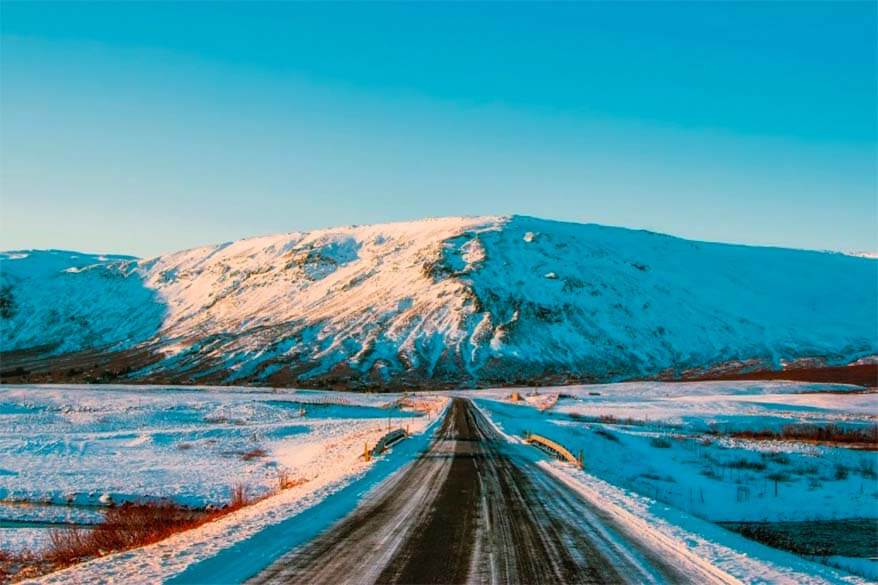
Winter driving in Iceland can be hazardous due to rapidly changing weather, icy roads, and limited daylight. Snowstorms, strong winds, and poor visibility are common, especially in rural or highland areas. Roads may be closed without warning, and conditions can vary drastically over short distances. Winter tires are mandatory, and a 4x4 vehicle is highly recommended. Before setting out, always check the latest road and weather updates.
Beware of Sheep on the Roads (and Other Wildlife)
In Iceland, it's common to encounter sheep and other wildlife on or near the roads, especially in rural areas during summer. Sheep often roam freely and may suddenly dart across the road, particularly when their lambs are on the opposite side. Drivers should slow down in areas with grazing animals and stay alert, as collisions can be dangerous for both the animals and vehicle occupants. Other wildlife, like reindeer in the East or birds near coastal roads and nesting areas, may also appear unexpectedly. Always drive cautiously and be prepared to stop to protect both nature and yourself.
What to Do in Case of an Emergency?
In case of an emergency in Iceland, call 112, the national emergency number for police, fire, ambulance, and search and rescue services. It works throughout the country, even in remote areas with limited mobile coverage. If you’re in an accident or your vehicle breaks down, stay calm and ensure your safety first—pull off the road if possible, turn on hazard lights, and use a warning triangle if needed. For added safety, travelers are encouraged to download the 112 Iceland app, which can send your location to emergency services even without a strong signal. Always let someone know your travel plans and check road and weather conditions before heading out.
Do’s and Don’ts When Driving in Iceland
To ensure a safe and respectful journey, it’s essential to follow local rules and be prepared for the country’s unique conditions. Following these dos and don’ts helps keep you, others, and Iceland’s environment safe.
Do Check Weather & Road Conditions
Always check the weather and road conditions before setting out, as they can change rapidly. Strong winds, sudden snowstorms, heavy rain, and fog are common and can make driving dangerous—especially in rural or mountainous areas. Roads may close unexpectedly due to severe weather or flooding, and highland routes (F-roads) are only open during summer. Use official websites for weather forecasts and real-time road updates. Checking these before and during your trip can help you avoid delays, detours, or dangerous situations.
Do Be Aware of Wildlife on the Road
Be alert for wildlife like sheep on the road. Icelandic sheep roam freely in the summer and can even be found grazing near the sides of roads. These wooly icons of Iceland can be easily startled by oncoming cars and may dart across the road unexpectedly, especially if they are attempting to protect their lambs which may be on the other side of the road. Drive slowly and cautiously in areas with grazing animals and keep an eye out for other wildlife such as reindeer, in the East of Iceland and birds that may accost your vehicle to protect their nests in coastal areas.
Do Plan Your Fuel Stops Ahead
Plan fuel stops in advance, especially in remote areas. In general, while towns and cities have regular fuel access, the highlands and long stretches of the Ring Road may not. Always fill up when you have the chance, even if your tank is half full. Many petrol stations in Iceland are self-service and open 24/7 with card payment, so ensure your card works internationally and has a PIN. Running out of fuel in isolated areas can be dangerous and lead to long delays or costly recovery services.
In the greater Reykjavík area, filling stations are open 07:00-23:00 with self-service pumps being open 24/7. Opening hours around the country, where the pumps are privately operated, can vary from place to place. Most manned stations are open until late in the evening, to 22:00 or even 23:30.
All filling stations accept credit cards and debit cards. Self-service stations are also available in various places around the country.
Octane levels in Iceland are 92 (regular unleaded), 98 (premium leaded) and 95 (premium unleaded).
Do Have Car Rental Insurance
Make sure your rental car is properly insured. Having car rental insurance in Iceland is essential due to the country’s unpredictable driving conditions and natural hazards. Loose gravel, sudden weather changes, sand and ash storms, and narrow rural roads all increase the risk of damage to your vehicle. Basic insurance is often included in rentals, but it’s highly recommended to add coverage for gravel protection, sand and ash damage, and theft. Without proper insurance, repair costs can be extremely high, even for minor incidents. Investing in comprehensive coverage gives you peace of mind and helps avoid unexpected expenses during your trip.
Don’t Stop on the Side of the Road
Never stop in the middle or side of the road to take photos. Stopping on the side of the road in Iceland is extremely dangerous and should be avoided unless it's an emergency. Many roads, including the popular Ring Road, have narrow shoulders and limited visibility, making sudden stops a serious hazard for both you and other drivers. Tourists often stop to take photos of the stunning scenery, but doing so without pulling into a designated parking area can lead to accidents or fines. Always use official pull-offs, rest areas, or parking lots to stop safely and enjoy the views without putting yourself or others at risk.
Don’t Drive Off-Road
Driving off-road in Iceland is strictly illegal and can cause serious, often irreversible damage to the fragile environment. The country’s moss-covered lava fields, black sand deserts, and delicate tundra take decades, and even centuries in some cases, to recover from tire tracks. Off-road driving is not only harmful but also punishable by heavy fines. Stick to marked roads and tracks at all times, even if you're in a 4x4 vehicle. Respecting these rules helps preserve Iceland’s unique landscapes for future generations and ensures that travelers can continue to enjoy its natural beauty responsibly.
Don’t Speed
Speeding in Iceland is both dangerous and strictly enforced, with speed limits set to match the country’s challenging road conditions. Most rural roads have a limit of 90 km/h (around 55 mph), while gravel roads are limited to 80 km/h (50mph), and urban areas to 50 km/h (30 mph) or less. Exceeding these limits increases the risk of losing control, especially on narrow, winding, or slippery roads. Speed cameras are common, and fines for violations can be high. Driving at a safe speed not only protects you and others on the road but also allows you to better enjoy Iceland’s stunning scenery.
Don’t Drive on F-Roads Without a 4x4 vehicle
Remember that F-roads are only for 4x4 vehicles. Driving on F-roads in Iceland without a 4x4 vehicle is not only illegal but also highly dangerous. Highland roads are rough, unpaved, and often include steep terrain, river crossings, and loose gravel that standard vehicles are not equipped to handle. Attempting to drive them without a proper 4x4 can result in getting stuck, damaging your car, or requiring costly rescue services. Car rental companies strictly prohibit non-4x4 vehicles on F-roads, and doing so can void your insurance. Always check road conditions and make sure your vehicle is approved before venturing into Iceland’s rugged interior. Still unsure of the kind of vehicle you will need?
Tips for Choosing the Right Rental Car
Choosing the right rental car is a crucial part of planning a safe and enjoyable trip to Iceland. The country’s diverse landscapes—from paved city streets to rugged mountain roads—require different types of vehicles depending on your itinerary and the season.
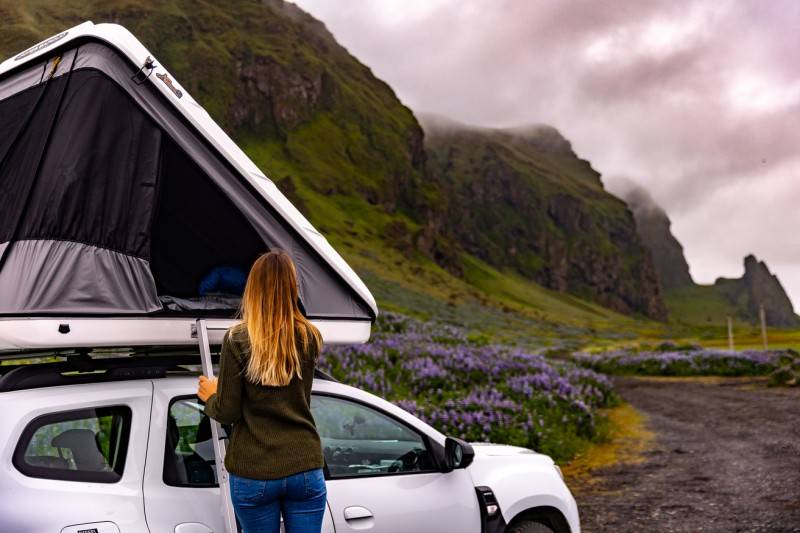
If you plan to stick to the Ring Road in summer, a standard two-wheel-drive vehicle may be sufficient. However, for winter travel or any journey involving F-roads, a 4x4 is essential for safety and legality. Look for cars with enough luggage space for all passengers, and consider extras like heated seats, GPS, and studded winter tires if you're traveling during colder months. If you decide to rent a 4x4 you cover all of your bases, with room for luggage, no worries about finding accommodation and a durable vehicle that can handle the challenging Icelandic weather and road conditions.
Frequently Asked Questions:
Is driving in Iceland easy?
Driving in Iceland can be straightforward, especially on well-maintained roads like the Ring Road, but it requires caution due to unpredictable weather, narrow roads, and unique conditions like gravel surfaces and single-lane bridges.
Do I need a special license to drive in Iceland?
No you don’t need a special license to drive in Iceland. An International Driving Permit (IDP) will suffice to drive in Iceland, but it must be accompanied by your valid domestic driving license. Visitors from non-EU/EEA countries are typically required to have both documents. If you’re from an EU/EEA country, your home license is usually sufficient without an IDP.
Can I drive on Iceland’s highland roads with a 2WD vehicle?
No—F-roads (highland roads) are only legal and safe to drive with a 4x4 vehicle. Attempting them with a 2WD is prohibited and extremely risky.
Do I need extra insurance with my car rental?
While basic insurance is usually included, it’s highly recommended to add coverage for gravel, sand and ash damage, and other optional protections, as these types of incidents are common in Iceland and can be costly without adequate coverage.
Final Thoughts for a Safe Travel in Iceland
Always plan ahead, respect local driving laws, and be prepared for rapidly changing conditions. From weather and road closures to wildlife and narrow bridges, staying alert and informed can make all the difference. Choose a suitable vehicle for your route and season. Our car fleet includes a wide range of options, from compact city cars to rugged 4x4s designed for Iceland’s highland roads. With the right preparation and mindset, driving in Iceland can be both safe and unforgettable.
