
Driving Iceland's Ring Road: All You Need to Know in 2026
Plan your Iceland Ring Road trip with routes, maps, costs, driving tips, best time to visit & must-see attractions around Route 1.
Planning on driving Iceland’s Ring Road? In this complete guide, we cover everything you need to know before setting off on your journey around the country, from road conditions and traffic rules to must-see attractions, travel times, vehicle choices, and budgeting tips.
Knowing Iceland’s driving rules can help you stay safe, avoid expensive fines, and make the most of your adventure. But this guide goes far beyond traffic regulations. We explain how long the Ring Road is, how many days you need, when to go, what to see, and how to plan the perfect itinerary.
How Long is the Ring Road?
The Icelandic Ring Road is approximately 1,333 km/828 miles long.
To put that into perspective:
- For US travelers, that’s similar to driving from New York City to Chicago.
- For UK travelers, it’s roughly the distance from London to Inverness and back.
While the road technically circles the entire country, the experience is far more than just distance, it’s about the landscapes, waterfalls, glaciers, lava fields, fjords, and charming villages you’ll encounter along the way.
How long does it take to drive the Icelandic Ring Road?
Technically, you could drive the full 1,333 km in about 12–13 hours without stopping. However, we strongly advise against rushing it.
Here’s what we recommend:
- 5–6 days: Fast-paced trip, major highlights only
- 7–8 days: Ideal for most travelers
- 10–14 days: Relaxed experience with detours and deeper exploration
With 7+ days, you’ll have time to enjoy waterfalls, glaciers, geothermal baths, whale watching, scenic hikes, and quaint villages without feeling rushed.
Driving in Iceland isn’t difficult, but you’ll likely stop often for photos. The views from inside the car alone are often breathtaking.
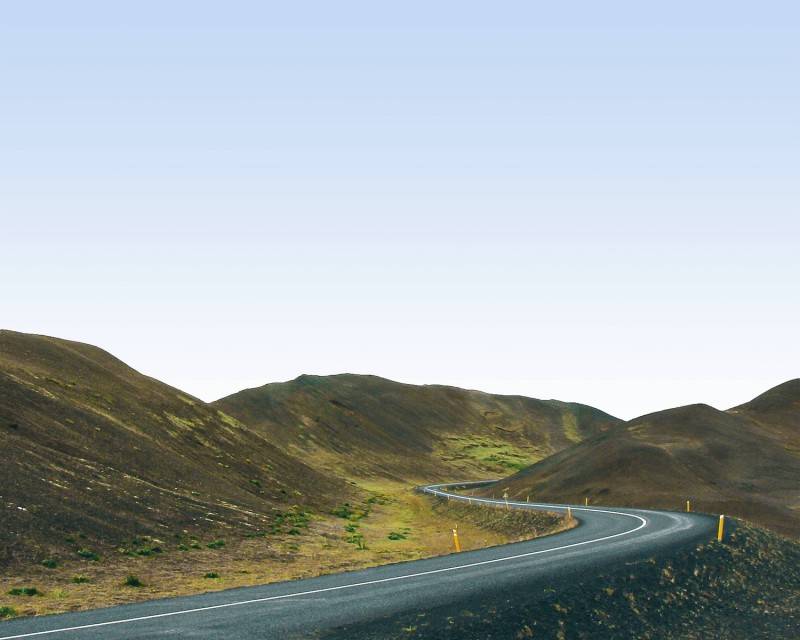
Iceland Ring Road Map
The Ring Road forms a full loop around Iceland, with scenic branches leading to fjords, waterfalls, and geothermal areas.
Our interactive map can help you plan daily driving distances, fuel stops, accommodation areas, and attractions along the route.
Is the Ring road in Iceland worth it?
Absolutely.
If you want to experience the diversity of Iceland in one trip, the Ring Road is the perfect route. You’ll pass glaciers, volcanoes, waterfalls, black sand beaches, lava fields, and fishing villages — often all in one day.
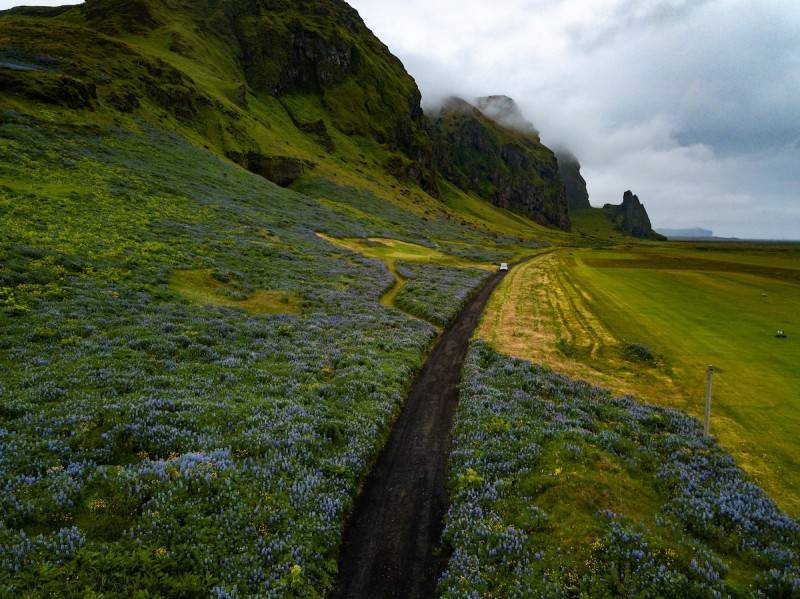
For example, driving from Reykjavík toward Vík in summer, you’ll pass endless purple lupine fields and dramatic coastal scenery that will leave you speechless.
Driving Iceland's Ring Road: Clockwise or Counterclockwise?
You can drive either direction.
Most travelers go counterclockwise, starting with the South Coast. This means popular attractions can feel busier during peak summer.
If you want to avoid crowds:
- Start by heading north instead.
- Or follow the weather forecast (as locals often do).
For first-time visitors, counterclockwise is slightly easier logistically, but either direction offers an incredible experience.
How much does it cost to drive the Ring Road in Iceland?
Your total trip cost depends on vehicle type, travel season, accommodation style, and fuel usage.
Car Rental
- Regular car: 60–550 EUR per day
- Campervan: 150–550 EUR per day
Accommodation
- Budget: 50 EUR per night
- Mid-range: 120–300 EUR per night
- Luxury stays: up to 1,000 EUR per night
Fuel
Fuel prices fluctuate. Petrol and diesel typically range around 320–355 ISK per liter. To check updated pricing, visit our guide to current gas prices.
Pro-tip: Traveling in a camper rental or a 4x4 with a rooftop tent can significantly reduce your total accommodation costs.
Iceland 2026 Kilometer Fee (Kilómetragjald)
Iceland has introduced a distance-based road fee system (Kilómetragjald) for certain vehicle types. The rate depends on vehicle weight and fuel type. At Icerental4x4, we simplify this by offering transparent pricing options, including fixed-rate solutions, so you can budget your Ring Road trip more easily.
Driving efficiently and choosing fuel-efficient vehicles can reduce total trip costs.
Do You Need a 4x4 Car to Drive the Ring Road?
You do not need to rent a 4x4 vehicle for the Ring Road. In summer, a 2WD car is sufficient for Route 1. However, during the winter months, we strongly recommend a 4x4 due to unpredictable weather and possible heavy snow in some parts of the country.
From October to April, we strongly recommend a 4x4 due to:
- Snow and Ice
- Strong Winds
- Rapidly Changing Road Conditions
- Challenging mountain passes in the east and north
Best Rental Cars for Exploring Iceland’s Ring Road
For most travelers:
- Compact SUVs like the Dacia Duster and Suzuki Jimny are a favorite as they’re great year-round and work for couples as well as small groups.
- Rooftop tent options are ideal for flexibility and cost savings.
- Families may prefer mid-size SUVs such as the Toyota Rav4 or Mitsubishi Eclipse Cross for added space comfort.
- For the budget savvy summer traveler the 2WD Hyundai I10 or Toyota Yaris are great options.
How Old Do You Need to Be to Rent a Car in Iceland?
It depends on the car rental company you choose for your rental. At Icerental4x4:
- Minimum age: 20 years old
- Drivers 18–19 are allowed with a Young Driver Fee (6 EUR/day, max 60 EUR)
Most companies require you to have held your driver’s license for at least 12 month
What are F-roads in Iceland?
F-roads are Iceland’s mountain roads and are not part of the Ring Road. They are rough, unpaved roads that often feature river crossings. These roads are open only in summer, usually from late June or early July until late September or the beginning of November.
You must drive a 4x4 vehicle on F-roads, such as the F35 (Kerlingarfjöll area) or F905 (Askja region), 2WD cars are not allowed on these roads. Please note that most rental companies do not allow their vehicles on road F249 into Þórsmörk.
If you plan on driving F-roads, we recommend always checking road conditions on the Icelandic Road and Coastal Administration website before departure.
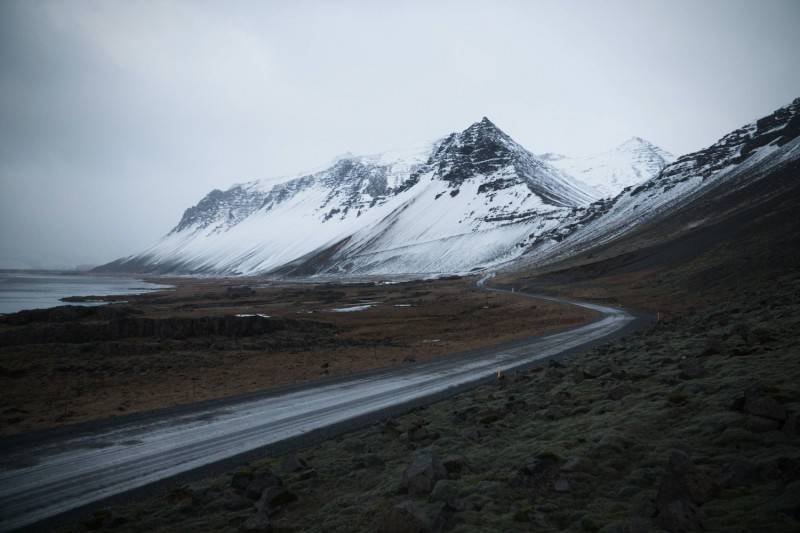
Essential Driving Rules & Road Safety Tips
Driving in Iceland is safe and straightforward, if you familiarize yourself with and respect the rules.
Is it hard to drive the Icelandic ring road?
For most travelers, Iceland’s Ring Road is surprisingly easy to drive.
The majority of Route 1 is fully paved, well-marked, and regularly maintained throughout the year. Outside towns, the standard speed limit is 90 km/h (56 mph) on paved rural roads. In the few remaining gravel sections, primarily in parts of East Iceland, the speed limit drops to 80 km/h, and sometimes lower depending on conditions.
While the road itself is not technically challenging, what makes driving in Iceland unique is the environment. You may encounter:
- Strong crosswinds
- Sudden weather changes
- Narrow bridges
- Occasional gravel patches
- Free-roaming sheep near the roadside
If you drive attentively, adjust your speed to conditions, and respect posted limits, you’re very likely to enjoy a smooth, safe, and stress-free Ring Road adventure.
What Side of the Road Should You Drive on in Iceland?
In Iceland, you should drive on the right side of the road, and if you want to overtake other vehicles, you use the left lane.
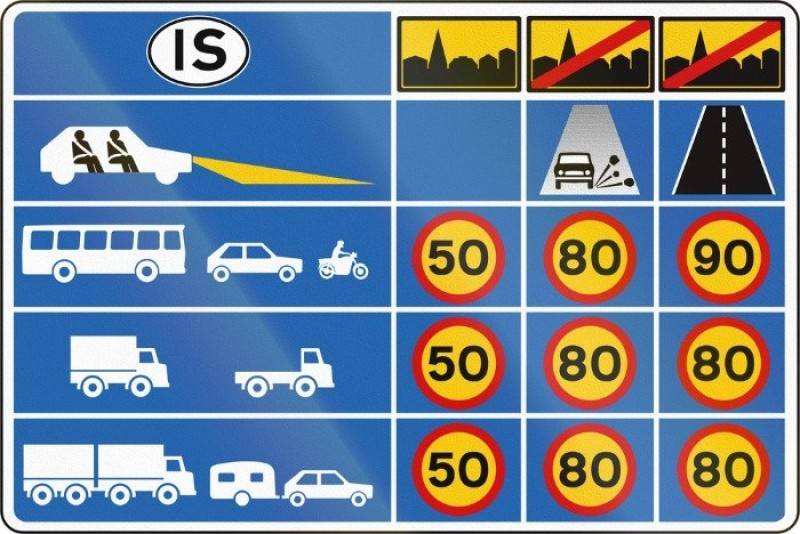
What is the Speed Limit in Iceland?
- 90 km/h on paved rural roads (including most of Route 1)
- 80 km/h on gravel roads
- 50 km/h in towns
Speed Cameras and Fines in Iceland
Speed cameras are located throughout the country. Warning signs appear beforehand.
Speeding fines are extremely high and increase depending on how much you exceed the limit. Respecting speed limits ensures safety and avoids expensive penalties.

Icelandic Road signs
There are several Icelandic road signs that you may have never seen before. Here are some of them and their meanings.
Blind Hill (Blindhæð)

This sign indicates a “blind hill” (blindhæð) ahead. These are sometimes single-lane hills. Approach carefully, as you cannot see oncoming traffic from the other side.
Icelandic Single-Lane Bridges & Tunnels
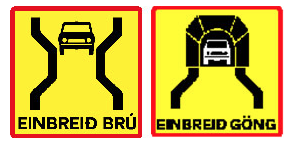
These signs indicate a single-lane bridge (Einbreið brú) or a single-lane tunnel (Einbreið göng) ahead.
Single-lane bridges are common on Route 1. When driving through, the first vehicle to arrive has priority. However, if you are unsure, wait and let the other vehicle pass first.
In single-lane tunnels, if you encounter oncoming traffic, use the passing places on your right.
Double Lane Roundabout Priority in Iceland
In Iceland, vehicles in the inner lane have priority in two-lane roundabouts.
Although these are mostly found near larger towns, many visitors are unaware of this rule.
Do You Have to Drive with Headlights Always on in Iceland?
Yes. Icelandic law requires headlights to be on at all times, both day and night. This increases visibility in changing weather conditions and prevents fines.
Are Parts of Iceland’s Ring Road Narrow or Without Shoulders?
Yes, some sections:
- Are elevated up to 2 meters (to prevent snow buildup)
- Have narrow shoulders
- Experience strong crosswinds
Drive carefully, especially in winter.
Tips to keep your vehicle in good condition.
Keeping your rental in good condition will give you one less thing to worry about on your Icelandic adventure. Remember to:
- Ensure you have a spare tire or repair kit.
- Always hold your car door firmly when opening it in strong winds.
- Always park facing the wind.
- Always respect the speed limit.
- Never drive off-road (it is illegal and environmentally damaging).
- Watch for sheep crossing the road unexpectedly.
What is the best month to visit Iceland?
The best time to visit Iceland depends on your goals and what you want to see and do.
- For the Midnight Sun: If you want to experience endless daylight and enjoy warmer temperatures, then visiting Iceland in June, July, and August would be the best time for you.
- For the Aurora Borealis: To see the Northern Lights, visit in February, March, September, and October, when the nights are long and dark.
To Avoid the Crowds: There are fewer travelers during the winter months. Exploring in November or early December is an ideal choice for you.
Is the Ring Road Open Year-Round?
Yes, but weather may temporarily close sections in winter. Roads are regularly cleared.
Iceland ring road in October
Traveling the Ring Road in October is fairly straightforward. Visiting Iceland in October offers travelers 9 hours of daylight, average temperatures of 2–7°C (44-36° F) and chances to see the Northern Lights.
What to wear for an October visit to Iceland?
Layered clothing, waterproof outerwear, and warm footwear are essential. Having base layers, good sweaters, gloves, a hat, and a thick coat or jacket will do the trick. Be sure to read our guide on what to wear in Iceland for any time of year.
Ring Road During Summer
Summer offers:
- 20+ hours of daylight
- Best road conditions
- Access to highland detours
- Warmer temperatures
It’s peak season so make sure to book early.
Can you drive the ring road in Iceland during winter?
Yes, you can drive the Ring Road in Iceland in winter with proper planning and preparation. Icelandic roads are well maintained and cleared regularly but you should keep in mind that December to February sees the most snow and March to November has the mildest weather. A 4x4 vehicle is strongly recommended for traveling around Iceland in winter.
Ring Road Attractions & Must See
One of the many special things about traveling the Ring Road in Iceland is how easy it is for travelers to see some of the most iconic attractions the island has to offer.
Here are some ideas for activities and must-see sights along the way. Most are located directly on the Ring Road, while others require a short detour.
Seljalandsfoss and Skógafoss
These two iconic South Coast waterfalls are visible from Route 1 but you don’t want to miss the chance to experience them up close. With just a turn off of the road you can walk behind Seljalandsfoss and feel the power of Skógafoss.
Reynisfjara Black Sand Beach
Reynisfjara Black Sand Beach can be seen from Route 1 and features basalt columns and powerful Atlantic waves
Fjaðrárgljúfur Canyon
Fjaðrárgljúfur is a dramatic, moss-covered canyon featuring a winding river, steep cliffs, and scenic walking paths along the edge. It is an easy yet incredibly rewarding stop just off the Ring Road.
Skaftafell and Svartifoss
Part of Vatnajökull National Park, Skaftafell offers stunning glacier views and the dark and majestic basalt-column waterfall Svartifoss.
Diamond Beach
Diamond Beach is situated right by the Ring Road offering you a chance to see sparkling hunks of glacial ice tumbling in the surf and scattered across a black sand beach.
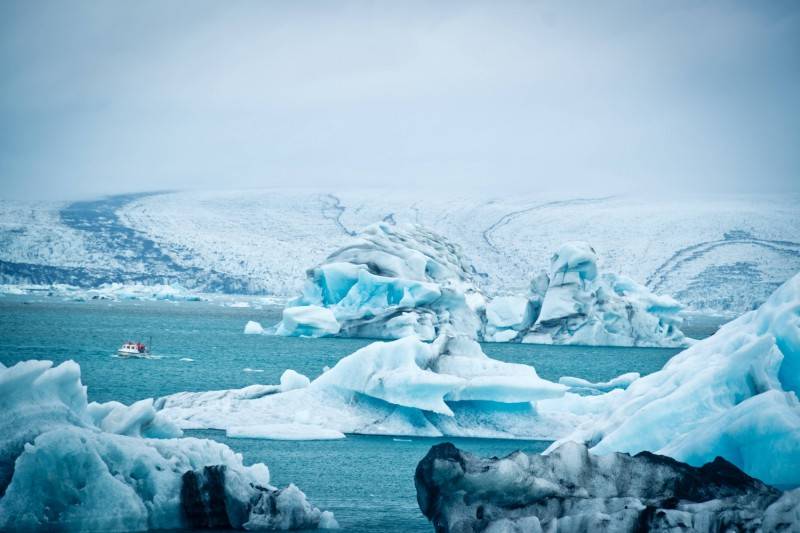
Jökulsárlón
All of those giant pieces of ice on the Diamond Beach come from the Glacier Lagoon wear blocks of ice cleaved from Breiðamerkurjökull glacier collect and then flow down to the ocean This is a must-see stop for Ring Road travelers.
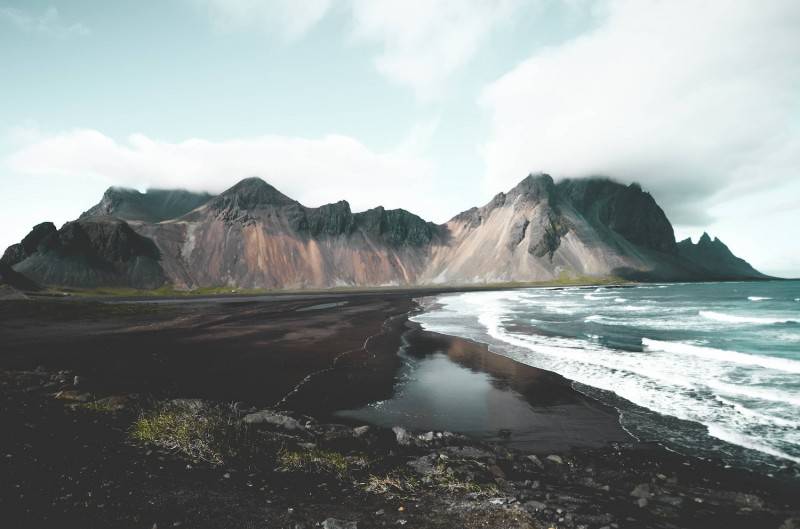
Vestrahorn
Located just off the Ring Road in east Iceland, many say this beautiful mountain is best viewed from Stokksnes. As Stokksnes is private property there is a small fee involved but is well worth it to experience this unique natural wonder that is a little off the usual tourist route.
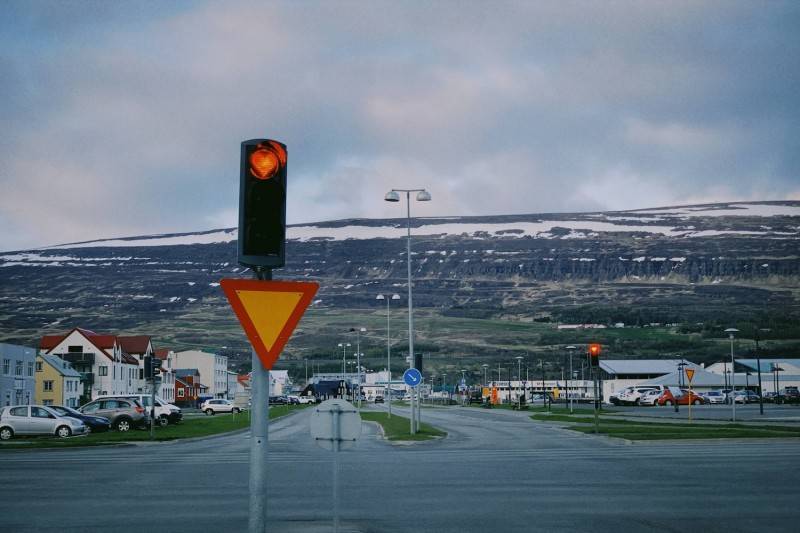
Seyðisfjörður
This small village located on the east coast of Iceland is known for being a bright colorful settlement in the midst of striking natural beauty. Surrounded by mountains, this small town is a must-see at any time of year when traveling the Ring Road in Iceland.
Stuðlagil Canyon
Stuðlagil Canyon is one of Iceland’s most striking hidden gems, famous for its towering basalt column walls and vivid blue-green glacial river. Visiting Stuðlagil offers a different landscape compared to waterfalls and black sand beaches.
Mývatn and Dimmuborgir
Explore Lake Mývatn and Dimmuborgir lava formations. In this stunning region of Iceland, you can take a dip in Mývatn Nature Baths, visit the breathtaking Dimmuborgir Lava field or explore Grjótagjá cave, which might be familiar to Game Of Thrones fans as the location where Jon and Ygrette shared an evening together. Taking a dip in the water is not recommended as the temperature is not regulated and can get dangerously hot.
Húsavík
Húsavík is only a 40-minute drive from the Ring Road in Iceland and is known as the whale watching capital of Iceland with the local whale-watching tours touting a 98% chance of whale sightings. Húsavík is also home to a whale museum featuring the skeleton of a whale stranded onshore there a few years ago.
Ásbyrgi
Ásbyrgi canyon is, approximately, an hour drive from the Ring Road but will not disappoint as it is a great place to stay the night while traveling in a camper. Even for non-campers, this horseshoe-shaped canyon in the northeast of Iceland is a fantastic sight with a variety of hiking trails for all levels of hikers.
Dettifoss
This fantastic and powerful waterfall is located only a 30-40 minute drive from the Ring Road, Dettifoss is said to be the most powerful waterfall in Europe and is also part of the Diamond Circle route. Dettifoss has a fall of 45 meters (150 feet) and is 100 meters (330 feet) wide.
Goðafoss
Goðafoss is one of Iceland’s most scenic waterfalls at 12 meters (39 feet) high and 30 meters (98 feet) wide.
Akureyri
Akureyri is the second biggest town in Iceland and is known to be the capital of the north. Akureyri offers many great restaurants, museums, and swimming pools. The Christmas house has become a must-visit for the locals when traveling to Akureyri, and near there you will find a cute little boutique that sells locally-made products. You will also find great swimming pools and two camping sites where you can stay the night.
Forest Lagoon
Located just outside Akureyri, Forest Lagoon offers a peaceful geothermal bathing experience surrounded by pine trees and overlooking Eyjafjörður fjord. It’s the perfect relaxing stop while exploring North Iceland, combining modern design with stunning natural views.
Hvítserkur
Hvítserkur is a 15-meter high basalt stack around 50 meters off-shore on the east coast of Iceland. It is only a small detour from Ring Road. Bird enthusiasts will be delighted to find the stack teeming with birdlife. Legend has it that a troll that lived in the area wanted to tear down the church bells at Þingeyrarklaustur convent as the Icelandic trolls are not Christian. But on its way, it got hit by the sun rays of the morning sun, turning it into stone on the shore.
Kirkjufell
One of the most photographed mountains in Iceland. Kirkjufell is located on the Snæfellsnes peninsula, near the town of Grundafjörður. It is a detour from Ring Road, but we highly recommend it if you have enough time to check it out.
Hraunfossar/Barnafoss
Hraunfossar is unique among Icelandic waterfalls. Instead of a sky high drop or powerful rush of water, this waterfall is a gentle cascade of water flowing from beneath a beautiful lava field covered in vegetation for approximately 900 m (2950 ft). Nearby, in contrast to Hraunfossar, is the small but rapid Barnafoss.
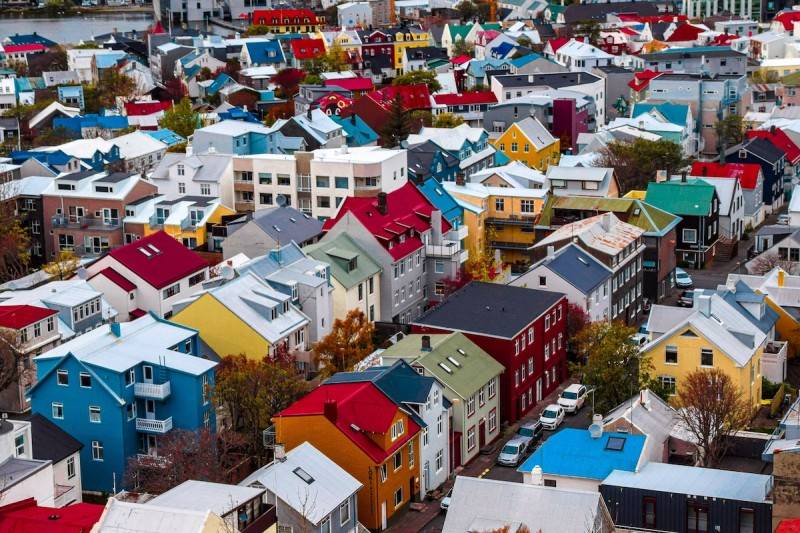
Reykjavík
Last but of course not least is Reykjavík, the capital of Iceland. Reykjavík has a lot to offer from museums of all sorts to world class restaurants, cozy cafés and such landmarks as Hallgrímskirkja and Harpa Concert Hall. Fly Over Iceland is also a great place to visit on a rainy day, you can soar over Iceland without ever having to hop on a plane. If you need more inspiration we’ve come up with plenty of last-minute activities in Reykjavík.
Must-See Detours Off the Ring Road
While Iceland’s Ring Road (Route 1) already showcases an incredible variety of landscapes, some of the country’s most famous and diverse regions sit just beyond the main loop. If you have extra time in your itinerary, even one or two additional days, these detours are absolutely worth including.
They add geothermal wonders, dramatic coastlines, volcanic peaks, and historic landmarks to your Ring Road journey, giving you an even deeper experience of Iceland’s natural beauty.
The Golden Circle
The Golden Circle is Iceland’s most famous sightseeing route and can easily be integrated into the first or last days of your trip.
Located close to Reykjavík, the Golden Circle includes three iconic stops:
- Þingvellir National Park – A UNESCO World Heritage Site where you can walk between two continental plates.
- Geysir – Home to Strokkur, the active geyser that erupts every few minutes.
- Gullfoss – One of Iceland’s most powerful and beautiful waterfalls.
How to integrate it into your trip:
Many travelers complete the Golden Circle on Day 1 before continuing toward the South Coast and driving counterclockwise around the country. Others save it for the final day.
You can comfortably explore the Golden Circle in 6–8 hours, making it an easy and rewarding addition without significantly extending your overall trip.
Snæfellsnes Peninsula
Often called “Iceland in Miniature,” the Snæfellsnes Peninsula packs glaciers, lava fields, black sand beaches, dramatic cliffs, fishing villages, and volcanic craters into one compact region.
Highlights include:
- Snæfellsjökull – The glacier-capped volcano that inspired Jules Verne’s Journey to the Center of the Earth.
- Kirkjufell – One of the most photographed mountains in Iceland.
- Rugged coastal cliffs, sea arches, and charming harbor towns.
How to include it:
Snæfellsnes is best added either before heading north from Reykjavík or after completing the full Ring Road loop. Plan at least one full day, ideally two, to truly enjoy the peninsula without rushing.
If your schedule allows, this detour adds some of Iceland’s most diverse scenery in a relatively small area, making it one of the most rewarding additions to a Ring Road itinerary.
Secret Route From the Ring Road in Iceland
If you’re traveling during summer and have extra time, we highly recommend taking a scenic detour between Varmahlíð and Akureyri instead of staying on Route 1 the entire way.
Rather than driving directly north, turn onto Road 76 just a few kilometers after leaving Varmahlíð. This beautiful coastal route takes you along dramatic fjords and through some of North Iceland’s most charming fishing villages, including Siglufjörður, Ólafsfjörður, and Dalvík. Along the way, you can stop at the famous infinity pool in Hofsós, where you can soak while overlooking the Skagafjörður fjord.
From Ólafsfjörður, continue on Road 82 through Dalvík until it reconnects with Route 1, leading you back toward Akureyri. This alternative route adds some extra driving time, but rewards you with quieter roads, breathtaking coastal scenery, and authentic small-town Icelandic charm, making it one of the most underrated detours off the Ring Road.
Should You Rent a Car in Iceland to Travel the Ring Road?
Yes, renting a car is the best way to explore the Ring Road at your own pace.
A Dacia Duster with a rooftop tent is a traveler favorite in Iceland, offering flexibility and cost savings. It is a great choice for a journey around the country. If you plan to travel from October to February, we strongly recommend a 4x4 vehicle rental.
Our team at Icerental4x4 is happy to assist you. Contact us at info@icerental4x4.is.
Are You Ready to Plan Your Iceland’s Adventure?
Driving the Icelandic Ring Road is a truly unique experience, packed with breathtaking landscapes at every corner, and it is definitely worth it. To plan a successful adventure, make sure to consider the season you want to travel in, along with the type of vehicle you might need. Additionally, balancing your accommodation style with a realistic fuel budget and manageable daily driving distances will ensure your journey remains both comfortable and enjoyable.
Once you are all set, find your local car rental in Iceland with Icerental4x4. We offer a wide range of rental vehicles, including 4x4 vehicles, 2WD cars, rooftop tents, and passenger vans to suit any journey and every traveler. Your Iceland adventure starts behind the wheel. The Ring Road is waiting!
