
Puffins in Iceland: Where & How to See Them
Discover the best places to see puffins in Iceland, including Dyrhólaey, Látrabjarg, Borgarfjörður Eystri, and the Westman Islands. Learn when to go, how to get there, and tips for responsible puffin watching during your Iceland road trip.
Few wildlife experiences in Iceland are as memorable as seeing puffins perched along dramatic sea cliffs or flying across the coastline with fish in their beaks. Iceland is home to one of the world’s largest Atlantic puffin populations, making it one of the best destinations anywhere to observe these charming seabirds in their natural habitat.
From the cliffs of South Iceland to remote islands in the Westfjords, puffins can be spotted all around the country during the summer months. Renting a car is one of the best ways to explore Iceland’s puffin colonies at your own pace, allowing you to combine wildlife watching with waterfalls, black sand beaches, lava fields, and scenic coastal drives.
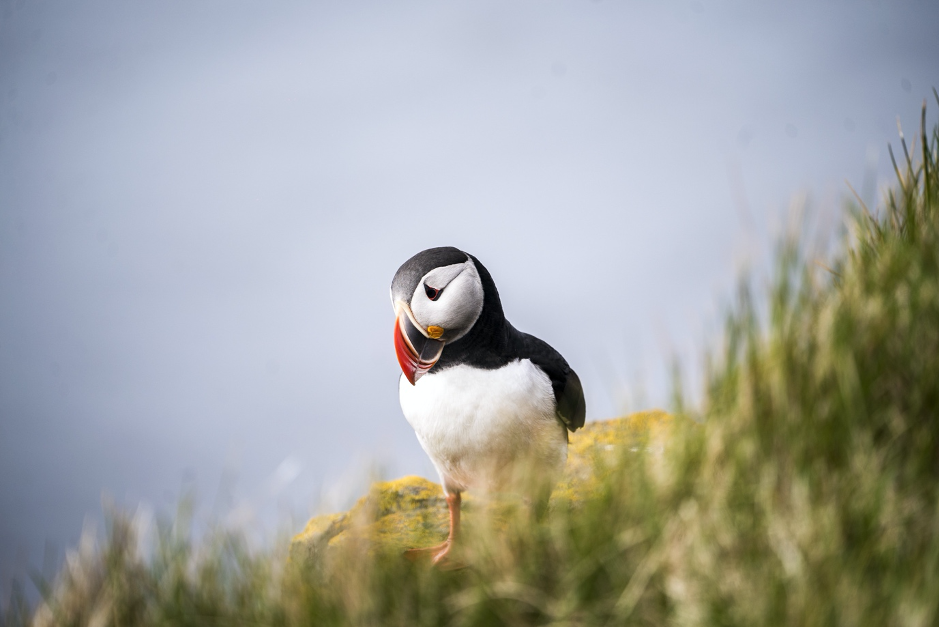
Photo by Jonatan Pie
Puffins in Iceland: Key Takeaways
Iceland is home to 8 to 10 million Atlantic puffins during the nesting season, with around 60% of the world’s Atlantic puffin population visiting the country every summer. In Icelandic, the puffin is called “lundi,” a name you will often see on road signs and tour advertisements around the country.
Puffins are small seabirds known for their colorful beaks, waddling walk, amusing flying style and incredible diving ability. They spend most of their lives at sea and only come to land during the breeding season. In Iceland, puffins nest in grassy coastal cliffs and islands where they dig burrows to raise their chicks.
The best time to see puffins in Iceland is generally between May and August, with June and July offering the highest chances of sightings. Some locations are easily accessible by regular rental car, while others may require a ferry ride or travel on gravel roads.
Why is Iceland One of the Best Places to See Puffins?
Iceland’s isolated coastlines, towering sea cliffs, and predator-free islands create ideal nesting conditions for puffins. Every year, millions of puffins return to the country to breed, making Iceland one of the most reliable places in the world for puffin watching.
Another reason Iceland stands out is accessibility. In many countries, puffin colonies are remote and difficult to reach, but in Iceland you can often see puffins just a short walk from a parking area. Many viewing spots are located near popular travel routes such as the South Coast and the Ring Road, making puffin watching easy to combine with a road trip.
Iceland also offers a huge variety of puffin habitats. Visitors can see puffins nesting on black sand cliffs, volcanic islands, grassy headlands, and remote fjords, often alongside other seabirds such as Arctic terns, guillemots, and fulmars.
When is the Best Time for Puffin Watching in Iceland?
The puffin season in Iceland usually begins in late April or May and lasts until mid-August. During this period, puffins return from the open ocean to breed and raise their chicks along Iceland’s coasts.
The peak months for puffin watching are June and July, when colonies are busiest and the birds are most active around their nesting sites.
The Puffin Season
Puffins arrive in Iceland in spring to mate and nest. They dig burrows into grassy cliff edges where they lay a single egg. Throughout the summer, both parents take turns feeding the chick with small fish.
By August, most puffins begin leaving Iceland and return to life at sea. Outside the summer months, sightings are very rare because puffins spend the winter far offshore in the North Atlantic.
Best time of Day to See Puffins in Iceland
Early morning and late evening are often the best times to see puffins. During these hours, the birds are usually more active and frequently fly between the ocean and their nesting cliffs carrying fish.
Midday can also offer good viewing opportunities, especially during Iceland’s long summer daylight hours, but puffins may spend more time resting in their burrows during the warmest part of the day.
Windy weather can affect visibility and bird activity, so calm conditions are often ideal for photography and wildlife watching.

The Best Places For Puffin Watching in Iceland
Puffins can be found all around Iceland’s coastline during summer, but some areas are particularly famous for their large colonies and easy viewing access. Whether you are planning a short drive from Reykjavík or a full Ring Road adventure, there are excellent puffin-watching locations across the country.
Many of Iceland’s best puffin spots can be reached independently. You can rent a car, giving you the flexibility to travel at your own pace and stop at scenic viewpoints along the way.
Where to See Puffins Near Reykjavik?
Visitors staying in Reykjavík don’t need to travel far to see puffins. Several nearby islands and coastal areas offer excellent opportunities for puffin watching during the summer months.
Akurey and Lundey Islands
Akurey and Lundey are small islands located just off the coast of Reykjavík in Faxaflói Bay. Both islands are protected nature reserves known for their large puffin colonies during summer.
The easiest way to visit is by joining a short boat tour departing from Reykjavík’s Old Harbour. These tours typically last one to two hours and allow visitors to observe puffins from the water without disturbing the nesting birds.
Because the islands are exposed to ocean winds, visitors should dress warmly even during summer. In addition to puffins, it is common to see other seabirds and occasionally whales in the bay.
The Reykjanes Peninsula
The Reykjanes Peninsula, located southwest of Reykjavík, is one of the easiest regions to explore by rental car. The area is known for volcanic landscapes, geothermal activity, rugged coastlines, and several seabird colonies.
Puffins can often be seen near coastal cliffs around Reykjanes during summer, especially in quieter areas away from heavy foot traffic. The peninsula is also home to attractions such as the Bridge Between Continents, geothermal fields, and dramatic lava formations.
Conditions along the coast can be very windy, so visitors should use caution near cliff edges.
Puffin Watching Places in South Iceland
South Iceland is one of the most popular regions for puffin watching thanks to its famous cliffs, black sand beaches, and easy access from the Ring Road.
Dyrhólaey Stone Arch
Dyrhólaey is a small peninsula and nature reserve near Vík, famous for its massive stone arch rising from the ocean. During summer, puffins nest along the grassy cliff tops surrounding the lighthouse.
The area is accessible by car, although steep roads may occasionally require extra caution. Visitors are rewarded with incredible views over the black sand beaches of South Iceland.
Puffins here are often surprisingly close to walking paths, making Dyrhólaey one of the best places in Iceland for photography.
Reynisfjall Cliffs
The Reynisfjall cliffs overlook Reynisfjara black sand beach near Vík. This dramatic coastal area is home to nesting puffins during summer and offers spectacular views of the Reynisdrangar sea stacks.
The cliffs can be reached by car followed by a short walk uphill. Visitors should be prepared for strong winds and rapidly changing weather conditions.
While exploring the area, it is important to stay a safe distance from cliff edges and remain aware of dangerous sneaker waves on nearby beaches.
Ingólfshöfði
Ingólfshöfði is a remote headland on Iceland’s southeast coast known for its rich birdlife, including puffins, skuas, and Arctic terns.
Access is only possible through guided tours using specially adapted vehicles that cross black sand plains and shallow rivers. Once there, visitors can enjoy peaceful hiking routes and excellent birdwatching opportunities far from crowded tourist areas.
The isolation of Ingólfshöfði makes it one of Iceland’s most unique puffin-watching experiences.
The Westman Islands
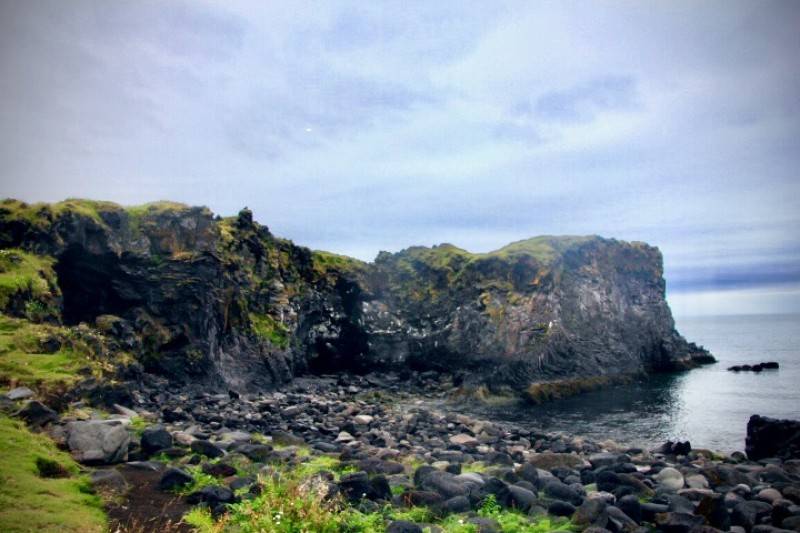
The Westman Islands, or Vestmannaeyjar, are often considered Iceland’s puffin capital. Located off the South Coast, the islands host one of the largest puffin colonies in the world.
The main island, Heimaey, is accessible by ferry from Landeyjahöfn. Travelers can easily bring a rental car onboard the ferry, making it convenient to explore the island independently after arrival.
During summer, puffins can often be seen along the cliffs at Stórhöfði and other coastal viewpoints. The islands are also famous for volcanic landscapes, hiking trails, and the 1973 volcanic eruption that reshaped parts of Heimaey.
Because weather conditions can occasionally affect ferry schedules, it is recommended to book tickets in advance during peak travel season.
East Iceland’s Puffin Hub: Borgarfjörður Eystri
Borgarfjörður Eystri is one of Iceland’s most famous puffin destinations and is often praised for how close visitors can get to the birds without disturbing them.
Located in East Iceland, the village is surrounded by colorful mountains and scenic fjords. A specially designed viewing platform at Hafnarhólmi allows visitors to observe puffins safely and comfortably.
The drive to Borgarfjörður Eystri includes gravel roads and mountain scenery, but most routes are manageable during summer with a standard rental car in good weather conditions.
In addition to puffins, the region is known for hiking trails, quiet landscapes, and local folklore connected to Icelandic elves.
Puffin Spots in North Iceland
North Iceland offers quieter puffin-watching opportunities away from the crowds found in the south.
Hringsbjarg Cliff
Hringsbjarg is a coastal cliff area in North Iceland known for nesting seabirds and scenic ocean views. The area is less visited than many southern puffin sites, making it ideal for travelers seeking a more peaceful experience.
Access usually involves driving on rural roads followed by short walks along grassy coastal terrain. Visitors should be prepared for changing weather and strong winds near the cliffs.
Rauðanes Point
Rauðanes Point is a beautiful peninsula on the eastern side of North Iceland known for sea stacks, rock formations, and birdlife.
The area features hiking trails with panoramic coastal views and occasional puffin sightings during summer. The landscape combines cliffs, arches, and volcanic formations that make the journey worthwhile even outside peak bird season.
Visitors should allow extra driving time due to gravel roads in the area.
Where to See Puffins in the Westfjords
The Westfjords are among Iceland’s most remote and dramatic regions, offering some of the country’s best puffin colonies.
Látrabjarg Cliffs
Látrabjarg is Iceland’s most famous bird cliff and one of Europe’s largest seabird cliffs. Stretching for approximately 14 kilometers, the cliffs are home to millions of birds during summer, including huge numbers of puffins.
One of the reasons Látrabjarg is so popular is that puffins here are often relatively unafraid of humans, allowing visitors to observe them from close distances.
Reaching Látrabjarg requires a long drive on gravel roads through the Westfjords. A 4x4 vehicle is not always necessary in summer, but it can provide extra comfort and confidence on rough sections.
Extreme caution is essential near the cliff edges because the ground can be unstable and dangerous.
Vigur Island
Vigur Island is a peaceful island in the Ísafjarðardjúp fjord known for birdlife, traditional Icelandic culture, and scenic landscapes.
Visitors usually reach the island by boat from Ísafjörður during summer. In addition to puffins, the island hosts Arctic terns, eider ducks, and black guillemots.
Vigur is also known for its historic houses, small windmill, and tranquil atmosphere, making it a memorable destination for nature lovers.
Tips for Responsible & Safe Puffin Watching
Watching puffins in Iceland is an unforgettable experience, but it is important to respect both the birds and the fragile natural environment they depend on.
Always approach puffin colonies quietly and slowly. Sudden movements or loud noises can frighten the birds and disturb entire nesting colonies. Puffins are highly social animals, and if one bird panics, many others may follow.
Never touch or attempt to handle puffins unless instructed by licensed wildlife rescuers. Puffins are wild animals and should not be disturbed during nesting season.
Do not feed puffins. They are skilled hunters that naturally catch small fish in the ocean, and human food can be harmful to them.
Many puffins nest in burrows near cliff edges. Avoid standing close to the edge because the ground may collapse, potentially destroying nests and creating serious danger for visitors as well.
When visiting any puffin site in Iceland, always stay on marked paths, follow local warning signs, and respect nature at all times.
Puffins are currently listed as vulnerable on the global IUCN Red List of Threatened Species due to declining populations across parts of their range. Protecting nesting areas and respecting wildlife guidelines helps preserve Iceland’s puffin colonies for future generations.
Frequently Asked Questions
Here you will find answers to some of the most common questions about puffin watching in Iceland.
- Can I see puffins in Iceland during the winter?
Puffins are rarely seen in Iceland during winter because they spend most of the year far out at sea in the North Atlantic. The best chance to see them is between May and August.
- Do I need a 4x4 vehicle to reach Látrabjarg?
A 4x4 vehicle is not always required during summer, but it can make the drive more comfortable because parts of the road are gravel and can be rough in places. Drivers should always check current road conditions before traveling into the Westfjords.
- Can I see puffins during a Ring Road trip?
Yes. Many of Iceland’s best puffin locations are located close to the Ring Road, especially in South and East Iceland. Renting a car makes it easy to include puffin watching as part of a larger Iceland road trip.
- What is the best time of day to see puffins in Iceland?
Early morning and evening are usually the best times because puffins are often most active around their nesting sites during these hours.
- Do I need to book a boat trip to see puffins?
No. While boat tours can provide excellent viewing opportunities, many of Iceland’s best puffin colonies can be reached by car and short walks. Renting a car is one of the best ways to explore puffin locations independently and discover scenic areas beyond the main tourist routes.
Ready to Meet the Puffins in Iceland?
From dramatic sea cliffs in the Westfjords to volcanic islands off the South Coast, Iceland offers some of the world’s best puffin-watching experiences. By renting a car in Iceland, you can travel at your own pace, explore remote coastal landscapes, and visit multiple puffin colonies during a single trip.
Whether you are planning a short summer getaway or a full Ring Road adventure, puffin watching is one of Iceland’s most unforgettable wildlife experiences.
Blog updated on 10.06.2026
