
Christmas & New Year in Iceland: Your Complete Winter Holiday Guide
Discover Christmas and New Year in Iceland, from Yule Lads and local food to Northern Lights, fireworks, winter driving, and traditions.
Christmas and New Year in Iceland can feel downright magical. Long winter nights, snow-covered landscapes, glowing windows, geothermal pools, traditional foods, bonfires, fireworks, and the country's famously mischievous Yule Lads create an atmosphere that is both festive and distinctly Icelandic.
For travelers, the holiday season is also a wonderful time to experience Iceland at a slower pace. Reykjavík comes alive with Christmas lights and seasonal events, while outside the capital, dark skies can provide excellent opportunities to see the Northern Lights. Renting a car or campervan gives you the flexibility to explore at your own pace, although winter conditions mean that plans should always remain flexible.
From Christmas Eve traditions and the famous Jólabókaflóðið or book flood to New Year's bonfires and the spectacular midnight fireworks, this guide covers what to expect during the Icelandic holiday season, what to eat and drink, where to go, and how to travel safely in winter.

Winter Holidays in Iceland: Key Takeaways
Iceland's Christmas season combines Christian traditions, old Icelandic folklore, family gatherings, food, books, music, and a healthy dose of fire and fireworks. Icelandic holidays retain many traditions that feel personal, local, and community-focused.
If you're visiting between December and early January, expect shorter daylight hours, unpredictable weather, festive events in towns and cities, and a quieter atmosphere at many natural attractions.
Guide Contents Overview:
- How to Celebrate Christmas and New Year's Eve in Iceland
- Activities & Winter Trips to Enjoy
- Northern Lights Chasing & Winter Weather Tips
- Christmas & New Year Folklore
- Accommodation Options & Travel Tips
If you love the magic of the holiday season, this guide is made for you.
Why Visit Iceland During the Holiday Season?
Christmas and New Year are an excellent time to experience a different side of Iceland. The country's dramatic landscapes take on a completely different character under winter darkness, while towns and villages become warm and inviting with Christmas lights, candles, markets, concerts, and family celebrations.
A winter road trip can also give you access to experiences that feel especially magical at this time of year. Imagine soaking in a geothermal pool while snow falls around you, watching the Northern Lights dance above a quiet countryside road, or returning to your accommodation after a day of exploring to enjoy a warm meal and a cup of coffee.
Just remember that Icelandic winter travel is about flexibility. Snow, ice, wind, and rapidly changing weather can affect driving conditions and road access, so build extra time into your itinerary rather than trying to stick rigidly to a summer-style schedule.
The Magic of Dark Winters & Bright Holiday Lights
One of the most memorable aspects of Christmas in Iceland is the contrast between darkness and light.
December brings very limited daylight, but Icelanders embrace the darker season by filling homes, streets, stores, churches, and public spaces with Christmas lights. Candles glow in windows, Christmas trees brighten living rooms, and Reykjavík becomes especially atmospheric after sunset.
The darkness, sprinkled with fairy lights and candles, can also make the holiday season feel cozy rather than gloomy. After a day exploring frozen waterfalls, black-sand beaches, or snowy countryside, there is something especially inviting about returning to a warm café, hotel, guesthouse, or campervan.
And if the skies cooperate, darkness has another advantage: it creates more opportunities to look for the Northern Lights.
What Makes Icelandic Holiday Traditions Unique
Icelandic Christmas traditions combine elements found in many other cultures with customs that are distinctly local. Instead of focusing exclusively on one Santa Claus figure, Icelandic folklore features 13 Yule Lads, each with a particular personality and mischievous habit.
Books are also central to Christmas. The tradition known as Jólabókaflóðið, or the Christmas Book Flood, sees books exchanged and enjoyed around Christmas Eve.
Food and family gatherings are equally important, while New Year's Eve adds a particularly Icelandic combination of community bonfires, comedy, fireworks, and folklore.
For American visitors, one of the biggest differences is the way Icelandic Christmas blends modern celebrations with older folklore. The result is a holiday season that feels connected to Icelandic culture and storytelling.
How to Celebrate Christmas in Iceland
Christmas in Iceland is primarily a family holiday, with traditions building throughout December and reaching their peak on December 24. Visitors can enjoy festive events, restaurants, Christmas markets, concerts, and seasonal attractions, particularly in Reykjavík and the surrounding towns.
If you're traveling by rental car or campervan, be sure to carefully plan sightseeing around opening hours and daylight, especially in the days immediately surrounding Christmas.
The Countdown: Advent & Þorláksmessa (Dec 23)
The days leading up to Christmas are filled with preparation. Homes are decorated, gifts are purchased, Christmas foods are prepared, and families get ready for the main celebrations.
December 23 is Þorláksmessa, the feast day of Saint Þorlákur and one of the most distinctive days of the Icelandic Christmas season. Traditionally, it is associated with eating fermented skate, or kæst skata, although not everyone chooses to enjoy this famously pungent dish.
Þorláksmessa is also a final preparation day. People do their last minute shopping, prepare Christmas food, clean their homes, and get everything ready for Christmas Eve.
Another beloved seasonal tradition is making laufabrauð, a thin, crisp bread decorated with intricate patterns. Families may gather to cut and shape the bread together, turning food preparation into a festive social activity.
Christmas Eve (Aðfangadagur - Dec 24)
Aðfangadagur, or Christmas Eve, is the centerpiece of Icelandic Christmas celebrations.
The traditional Christmas celebration begins in the evening, when families gather for a festive meal and exchange gifts. For many Icelanders, the evening also means settling down with the gift of a new book, connecting Christmas Eve with the country's famous Jólabókaflóðið tradition.
Visitors should be aware that December 24 is not a normal business day. Many stores and services operate on reduced schedules, and some close early. If you're driving around Iceland, buy groceries, fuel, and other essentials ahead of time rather than assuming everything will be open.
Christmas Day (Jóladagur - Dec 25)
Jóladagur, Christmas Day, is generally a quieter day focused on family, food, relaxation, and enjoying time together.
Many businesses and attractions close or operate with limited hours, so don't plan a packed sightseeing itinerary. Instead, consider making Christmas Day a slower part of your trip.
If you're staying in Reykjavík, you can enjoy a peaceful walk around the city, admire the holiday decorations, or spend the day relaxing at your accommodation. If you're on a winter road trip, use the day to enjoy your surroundings without trying to cover large distances.
The Second Day of Christmas (Annar í Jólum - Dec 26)
December 26 is Annar í Jólum, the second day of Christmas. Like Boxing Day in some English-speaking countries, it extends the Christmas holiday and is traditionally associated with visiting family and friends.
Some businesses, restaurants, and attractions begin reopening around this time, although schedules vary. It's a good day to ease back into sightseeing and explore nearby destinations if road and weather conditions allow.
Jólabókaflóðið: The Christmas Book Flood Tradition
One of Iceland's most charming Christmas traditions is Jólabókaflóðið, literally the Christmas Book Flood.
Books are a traditional Christmas gift in Iceland, with people receiving new books on Christmas Eve and then spending part of the evening reading. For visitors, this tradition offers a wonderful glimpse into Iceland's strong literary culture.
If you're looking for an authentic Icelandic souvenir, consider picking up a book from a local bookstore. Even if you don't read Icelandic, Reykjavík's bookstores offer plenty of English-language titles.
Jólaball: Dancing Around the Christmas Tree
A Jólaball is a Christmas dance centered around singing, dancing, and gathering around the Christmas tree.
These events are particularly popular with families and children. Traditional Christmas songs, circle dances, and visits from festive characters can turn a simple Christmas gathering into a lively celebration.
If you find a public Jólaball during your visit, it's a fun way to experience Icelandic Christmas culture beyond sightseeing.
Jólahlaðborð: Traditional Christmas Buffets
A Jólahlaðborð is an Icelandic Christmas buffet featuring a wide range of seasonal dishes.
Restaurants and hotels may offer holiday buffets during December, making them an easy way for visitors to sample several Icelandic Christmas foods in one meal. Menus vary, but smoked lamb, pork, fish, potatoes, sauces, breads, and traditional desserts commonly feature.
For travelers, a Jólahlaðborð can be one of the easiest ways to experience several holiday specialties without having to prepare them yourself.
Traditional Icelandic Holiday Season Food
Food plays a major role in Icelandic Christmas celebrations. Some dishes are familiar to international visitors, while others are acquired tastes rooted in Iceland's fishing and farming traditions.
If you want to experience Icelandic holiday culture, don't be afraid to try something unfamiliar. Even dishes such as fermented skate have a strong cultural connection to the season.
Kæst Skata: Fermented Skate
Kæst skata is fermented skate and is traditionally associated with Þorláksmessa on December 23.
Its powerful smell and distinctive flavor make it one of Iceland's most challenging traditional foods for first-time visitors. It is generally served with potatoes, melted fat, and other accompaniments.
You don't have to try it to enjoy Christmas in Iceland, but learning about the tradition gives you an insight into the country's long history of preserving and using locally available foods.
Laufabrauð (Leaf Bread)
Laufabrauð, or leaf bread, is a thin, delicate Christmas bread decorated with intricate cut patterns.
The bread is traditionally prepared during the holiday season, often as a family activity. Once decorated, it is fried until crisp and served as part of the Christmas meal.
Its beautiful patterns make it one of the most recognizable Icelandic holiday foods.
Hangikjöt: Smoked Lamb
Hangikjöt is smoked lamb and one of Iceland's best-known traditional Christmas foods.
The lamb is traditionally smoked and served with potatoes, peas, red cabbage, and a creamy white sauce known as uppstúfur or uppstúf, depending on spelling and regional usage.
For visitors who want to try a classic Icelandic Christmas dish without venturing too far outside familiar flavors, hangikjöt is a great place to start.
Hamborgarhryggur
Hamborgarhryggur is a glazed pork rib roast that is especially popular on Icelandic Christmas tables.
The roast is often served with potatoes, vegetables, sauces, and other traditional side dishes. Its combination of sweet glaze and savory pork makes it a popular alternative to lamb.
Möndlugrautur (Almond Rice Pudding)
Möndlugrautur is a traditional almond rice pudding associated with Christmas celebrations.
A whole almond may be hidden in the pudding, with the person who finds it receiving a prize. It is a simple tradition that adds a playful element to the Christmas meal.
Sörur & Lakkrístoppar
Christmas cookies and sweets are an important part of the Icelandic holiday season.
Sörur (Saras) are rich, layered cookies traditionally made with almond-based bottoms, buttercream, and chocolate. Lakkrístoppar combines chocolate and Icelandic licorice flavors.
If you're a fan of licorice, Iceland is an especially fun destination for discovering new sweets. If you're not, don't worry, there are plenty of chocolate and traditional cookie options to choose from.
Traditional Icelandic Festive Drinks You’ll Love
Icelandic holiday drinks range from coffee and malt beverages to orange soda, mulled wine, and seasonal beer. Some have become closely associated with Christmas and New Year's celebrations.
Jólakaffi
Jólakaffi, or Christmas coffee, is less a single standardized recipe than a seasonal coffee tradition.
During December, cafés and homes embrace festive flavors, warm drinks, cookies, and cozy gatherings. A hot cup of coffee can be particularly welcome after exploring Iceland's cold winter landscape.
Egils Malt
Egils Malt is a sweet, dark malt beverage that has become closely associated with Icelandic holiday celebrations.
It is non-alcoholic and is often enjoyed alongside traditional Christmas foods. Its rich, malty flavor makes it very different from typical American soft drinks.
Tópas & Opal Shots
Tópas and Opal are famous Icelandic licorice candies with strong, salty flavors. Their distinctive taste has also inspired alcoholic shots made using licorice-flavored spirits.
These flavors often appear in Icelandic nightlife and at festive gatherings, including jólaskemmtun, or Christmas parties. If you enjoy trying unusual local flavors, salty licorice is one of Iceland's signature experiences.
Appelsín
Appelsín is an Icelandic orange soda that is particularly popular during the holiday season.
It is commonly paired with a malt, such as Egils Malt, creating the beloved combination known as Malt og Appelsín. For many Icelanders, the combination is strongly associated with Christmas.
H3: Íslenskt Glögg: Icelandic Mulled Wine
Glögg is Iceland's take on mulled wine: a warm, spiced drink enjoyed during the colder months.
Recipes vary, but common ingredients include wine, spices, citrus, and sugar. Some versions may be served with raisins or almonds.
It's an ideal drink after spending a chilly day exploring Iceland's winter landscapes.
Malt og Appelsín
Malt og Appelsín combines Egils Malt with Appelsín orange soda.
The drink is especially associated with Christmas and is sometimes referred to as Jólaöl, or Christmas ale, even though it is non-alcoholic.
For Icelanders, the combination is one of those simple seasonal traditions that immediately evokes Christmas.
Egils Jólabjór
Jólabjór, or Christmas beer, is a seasonal beer category in Iceland.
Breweries release special Christmas beers during the holiday season, ranging from traditional lagers to darker and more experimental styles. Availability varies by year and brewery, so check current seasonal selections if you'd like to try one.
Holidays & Winter Activities
Christmas in Iceland doesn't mean staying indoors. Winter can be a spectacular time to explore the country's landscapes, provided you plan around weather and road conditions.
A rental car gives you freedom to make short day trips from Reykjavík, while a properly equipped campervan can provide a more immersive road-trip experience for travelers comfortable with winter camping.
Ice Cave Exploration & Glacier Hikes
Winter is the season for visiting Iceland's natural ice caves, where frozen blue ice creates surreal underground landscapes.
Guided glacier and ice cave tours are strongly recommended because glacier environments can change and contain serious hazards. Choose an experienced operator and follow their instructions rather than attempting to explore glacial areas independently.
Geothermal Pools Soaking
Few winter experiences are more quintessentially Icelandic than soaking in naturally heated water while cold air surrounds you.
From public swimming pools to famous geothermal lagoons, there are options throughout the country. Watching snow fall while you're relaxing in warm water is one of the simplest ways to appreciate Iceland's winter atmosphere.
Visiting The Christmas Village in Hafnarfjörður
Hafnarfjörður, just outside Reykjavík, is known for its seasonal Christmas Village.
The village traditionally features Christmas decorations, festive activities, local crafts, food, and entertainment during the weeks leading up to Christmas. Opening dates and event schedules can change each year, so check the current schedule before visiting.
It is particularly appealing for families and travelers who want a more traditional Christmas atmosphere without leaving the Reykjavík area.
Enjoying Annual Christmas Festivities
December brings concerts, markets, family events, Christmas lights, theater performances, seasonal dining, and community celebrations across Iceland.
Reykjavík generally has the largest selection, but smaller towns also organize their own holiday events. If you're traveling by car, check local event calendars as you move around the country.
Northern Lights Hunting in Iceland
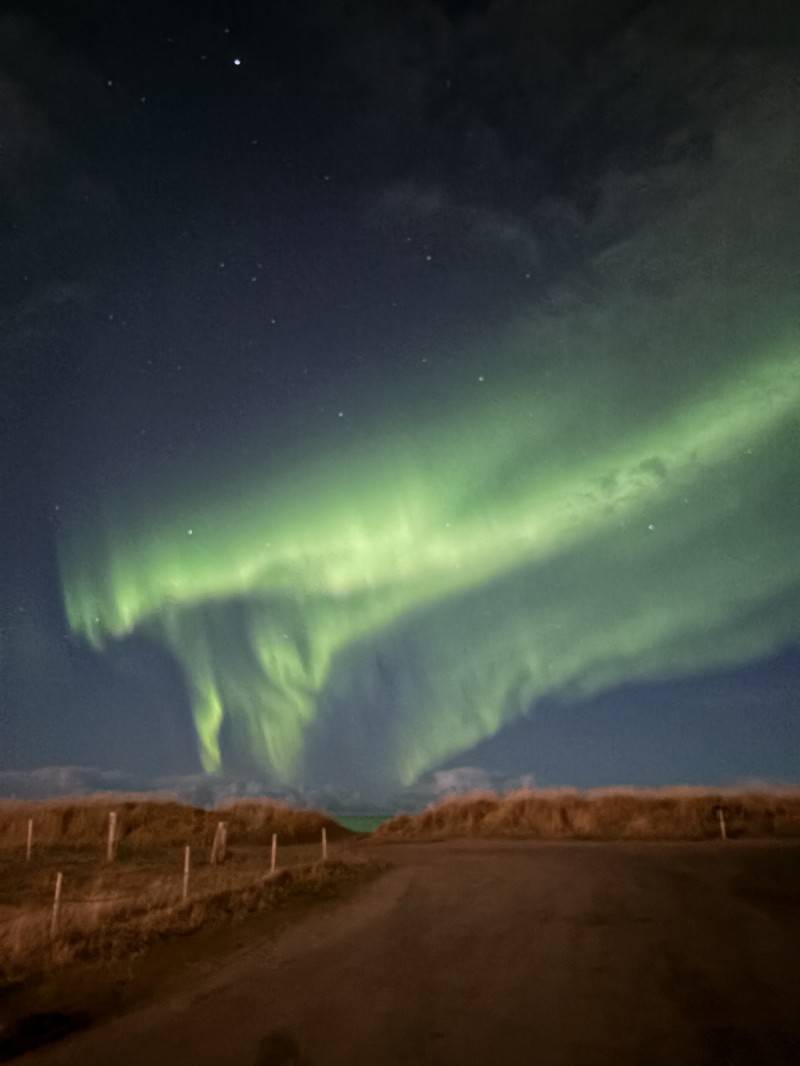
Winter is one of the best seasons for Northern Lights viewing because the long, dark nights provide plenty of opportunities to look for auroras.
Seeing the Northern Lights is never guaranteed, however. You need a combination of darkness, solar activity, and sufficiently clear skies.
When is the Best Time to See the Auroras in Iceland
The Northern Lights season generally runs through the darker months (September to April), when nights are long enough for aurora viewing.
December can be an exciting time to visit because darkness arrives early, giving you a longer nighttime window. However, cloud cover and weather can still prevent you from seeing anything.
For the best chance of success, stay for several nights rather than planning your entire trip around a single predicted appearance.
Where to See the Northern Lights in Iceland
You don't necessarily need to travel far from Reykjavík to see the Northern Lights. The farther you get from artificial light, however, the darker the sky becomes.
If you're renting a car, consider driving away from major urban areas when conditions are suitable. Popular viewing areas include the countryside around Reykjavík, the Reykjanes Peninsula, South Iceland, and North Iceland.
Always choose a safe place to stop. Never pull onto a road simply because you see the aurora, and never stop somewhere that blocks traffic or creates a hazard.
Winter Driving Safety Tips
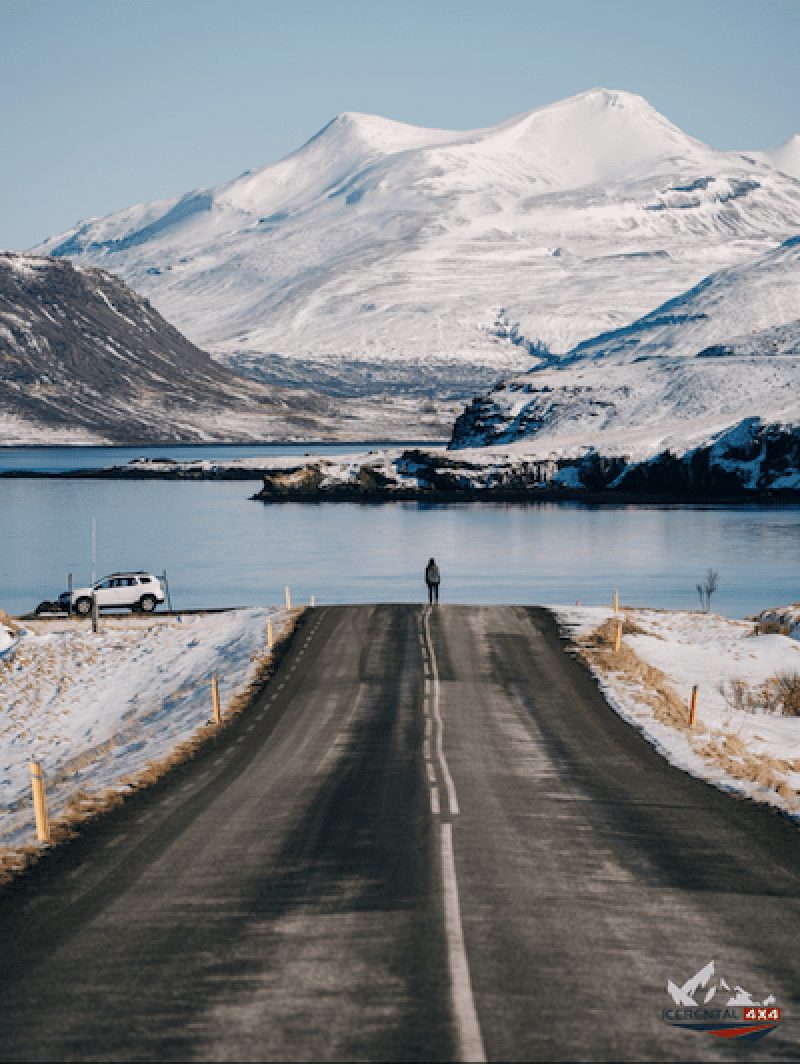
Winter driving in Iceland requires preparation. Snow, ice, wind, reduced visibility, and rapidly changing conditions can affect roads, and daylight is especially limited in December.
Before every drive:
- Check the weather forecast and current road conditions.
- Check for road closures and travel alerts.
- Allow extra time and keep your itinerary flexible.
- Reduce your speed when conditions require it.
- Keep headlights on and stay focused on the road.
- Avoid stopping on the road to take photos.
- Be especially cautious around ice, snow, strong winds, and reduced visibility.
- Do not assume that a route that was open earlier will remain open later.
- If conditions deteriorate, be prepared to postpone or change your plans.
Campervans and motorhomes require particular care in strong winds because their larger profiles make them more sensitive to gusts. SafeTravel specifically recommends changing plans when strong winds make driving such vehicles unsafe.
Icelandic Christmas Folklore
Icelandic Christmas folklore is one of the most entertaining parts of the holiday season.
Up until the mid-20th century, surviving a winter in Iceland was no easy feat and that is reflected in the folklore. Instead of a single Santa Claus, Icelandic traditions feature the mischievous Yule Lads, their mother Grýla, her husband Leppalúði, and the frightening Christmas Cat.
Grýla and Leppalúði
Grýla is a giantess from Icelandic folklore who has become one of the most recognizable figures associated with Christmas.
According to traditional stories, Grýla lives in a cave in the mountains with her third husband, Leppalúði. Leppalúði is known for his laziness while Grýla is known for cooking naughty children in a large pot and dining on their flesh.
The pair are part of Iceland's older folklore and are considerably darker than modern Christmas tales. These frightening stories certainly kept a curious child from wandering too far from home on cold, dark, winter nights.
Jólakötturinn: The Christmas Cat
The Jólakötturinn, or Christmas Cat, is a giant feline from Icelandic folklore.
As the story goes, children who do not receive new clothes for Christmas risk being eaten by the cat. While the modern tradition is generally presented playfully, the story historically served as an incentive to finish seasonal work and prepare warm clothing before Christmas.
For visitors, the Christmas Cat is a fascinating example of how Icelandic folklore mixes the festive with the frightening.
The 13 Icelandic Yule Lads & Their Pranks
The 13 Yule Lads, or Jólasveinar, are the sons of Grýla and are perhaps Iceland's most famous Christmas characters.
Rather than arriving all at once, the Yule Lads come down from Highlands, one by one, with one arriving each of the 13 nights leading up to Christmas, beginning with Stekkjastaur on December 12. Children may place a shoe in their window and receive a small gift from a Yule Lad, or a potato if they've been naughty.
Each Yule Lad has a different name reflecting his particular prank or obsession.

Stekkjastaur (Sheep-Cote Clod)
Stekkjastaur isn’t the first Yule Lad to head down from the mountains but he is the first to arrive.
He is associated with sheep and is said to bother them by trying to drink their milk. His arrival on December 12 officially begins the traditional sequence of Yule Lad visits.
Giljagaur (Gully Gawk)
Giljagaur follows Stekkjastaur on December 13.
He is known for hiding in gullies and sneaking into cowsheds to steal milk. His name and behavior reflect the mischievous, rural character of many of the Yule Lads.
Stúfur (Stubby)
Stúfur, or Stubby is the first Yule Lad to leave the mountains but he has short legs and so arrives on December 14.
As his name suggests, he is unusually short for a giant. His specialty is stealing leftover food stuck to cooking pans.
Þvörusleikir (Spoon-Licker)
Þvörusleikir arrives on December 15.
He is known for licking wooden cooking spoons, or þvörur, after they have been used for preparing food.
Pottaskefill (Pot-Scraper)
Pottaskefill arrives on December 16.
His particular habit is scraping leftovers from cooking pots. In a time when wasting food was far less acceptable than it is today, this mischievous behavior was closely tied to everyday household life.
Askasleikir (Bowl-Licker)
Askasleikir comes on December 17.
Back in the time when these stories were first told, it was common for each member of a family to have their own covered bowl that they used at every meal. Askasleikir hides beneath beds and waits for people to leave their bowls unattended so he can sneak them away and lick them clean.
Hurðaskellir (Door-Slammer)
Hurðaskellir, the Door-Slammer, arrives on December 18.
His favorite prank is exactly what his name suggests: slamming doors, especially at night and especially when everyone else is trying to sleep.
Skyrgámur (Skyr-Gobbler)
Skyrgámur arrives on December 19 and has a particular weakness for skyr, Iceland's famous cultured dairy product.
His story is a reminder of how closely Icelandic folklore is tied to traditional foods.
Bjúgnakrækir (Sausage-Swiper)
Bjúgnakrækir arrives on December 20.
He is known for stealing sausages, traditionally by hiding in the rafters and reaching down to grab them.
Gluggagægir (Window-Peeper)
Gluggagægir, the Window-Peeper, arrives on December 21.
He is said to peer through windows looking for things he can steal. His arrival also adds an appropriately spooky touch to the dark winter evenings.
Gáttaþefur (Doorway-Sniffer)
Gáttaþefur arrives on December 22.
He has an unusually large nose and uses it to sniff out food. He is particularly interested in the smell of freshly baked bread.
Ketkrókur (Meat-Hook)
Ketkrókur, or Meat-Hook, arrives on December 23.
He uses a hook to steal meat, making his arrival particularly appropriate on Þorláksmessa, when households are already preparing food for Christmas.
Kertasníkir (Candle-Beggar)
Kertasníkir, the final Yule Lad, arrives on Christmas Eve.
He is associated with stealing candles. Historically, candles were valuable sources of light during Iceland's long winter nights, making this a particularly meaningful piece of folklore.
Milli jóla og nýárs: Between Christmas & New Year (Dec 27 – Dec 30)
The days between Christmas and New Year are known as milli jóla og nýárs, literally "between Christmas and New Year."
This period has a relaxed, in-between quality. Families continue visiting each other, people enjoy leftovers and holiday treats, and some businesses gradually return to normal schedules.
For travelers, these days can be a useful window for sightseeing because the Christmas Eve and Christmas Day closures have passed while the major New Year's celebrations have not yet begun.
Between Christmas & New Year: What Reopens?
Opening hours vary considerably from business to business.
Many stores, restaurants, attractions, and services gradually return to regular or reduced schedules after Christmas. Smaller businesses may remain closed longer, however, so check opening hours before setting out.
If you're driving around Iceland, stock up on essentials whenever you have the opportunity rather than relying on one particular store being open.
Buying Fireworks for Rescue Teams
Fireworks are an enormous part of Iceland's New Year's Eve celebrations, and fireworks sales are a major source of fundraising for Icelandic search-and-rescue organizations.
The tradition connects celebration with community support. Iceland's volunteer rescue teams play an important role in responding to emergencies and helping travelers and residents throughout the country.
Celebrating The New Year’s Eve in Iceland
New Year's Eve, or Gamlárskvöld, is one of the most spectacular nights of the Icelandic calendar.
The evening combines family dinners, parties, bonfires, television, comedy, champagne, and enormous quantities of fireworks.
Unlike many places where professional fireworks displays dominate the evening, Iceland's celebration is famously decentralized. Individuals and families launch fireworks throughout the night, creating a sky full of explosions across Reykjavík and other towns.
If you're staying in Reykjavík, expect the city to become extremely lively around midnight.
Traditional New Year’s Eve Dishes & Feasts
New Year's Eve is an occasion for a special dinner, with menus varying from household to household.
Modern celebrations can include seafood, meat, soups, smoked fish, desserts, and international favorites alongside Icelandic dishes.
Humarsúpa
Humarsúpa is Icelandic lobster or langoustine soup.
Rich, creamy, and deeply flavored, it is a popular choice for a special meal and can make a particularly warming starter during the coldest part of winter.
Graflax
Graflax, or gravlax, is cured salmon prepared with salt, sugar, and herbs.
It is often served as an appetizer or part of a larger festive spread. Its delicate flavor makes it a good contrast to richer Christmas and New Year's dishes.
Saltfiskur
Saltfiskur, or salted fish, reflects Iceland's long history as a fishing nation.
Cod and other fish have traditionally been preserved using salt, and salted fish remains an important part of Icelandic culinary culture.
The Midnight Champagne Toast
As midnight approaches, Icelanders gather to welcome the new year with a toast.
Sparkling wine and champagne are common, while áramótafreyðivín refers to sparkling wine associated with New Year's celebrations.
The toast is usually accompanied by fireworks, cheers, hugs, and well wishes for the year ahead.
Key New Year’s Eve Night Traditions in Iceland
Iceland's New Year's Eve traditions are particularly memorable because they bring together the entire community.
From neighborhood bonfires to a nationally watched comedy program and the spectacular midnight fireworks, the night is designed to be experienced together.
Community Bonfires Across the Country
Áramótabrennur, or New Year's Eve bonfires, are held in communities around Iceland.
People gather around large fires, socialize, sing, and celebrate the end of the old year. The bonfires have roots in older traditions associated with the transition into a new year.
If you're staying outside Reykjavík, look for a local bonfire event. It can offer a more intimate experience than the capital's massive celebrations.
The Satirical Comedy Broadcast
One of the most anticipated parts of Icelandic New Year's Eve is Áramótaskaupið, a satirical comedy program traditionally broadcast on television on New Year's Eve.
The program looks back at the year's major events through comedy and satire. It is deeply embedded in Icelandic holiday culture and is a great example of how Icelanders combine humor with the annual ritual of saying goodbye to the old year.
The Legendary Reykjavík Midnight Fireworks
Reykjavík's New Year's Eve fireworks are famous around the world.
The spectacle is not a centrally organized fireworks show. Instead, fireworks are launched by residents throughout the city, filling the sky from numerous directions.
From a safe viewpoint with a clear view of the city, the experience can be extraordinary. If you're driving, plan your parking in advance and avoid attempting to navigate crowded streets immediately around midnight.
New Year’s Eve Folklore & Magic
Icelandic folklore doesn't stop at Christmas. New Year's Eve is also traditionally associated with supernatural activity and the possibility of encounters with the hidden world.
The Moving of the Hidden People
The Huldufólk, or hidden people, are supernatural beings in Icelandic folklore often associated with rocks, hills, and remote landscapes.
One New Year's tradition holds that the hidden people may move between homes at the turn of the year.
Stories of this kind contribute to the magical atmosphere surrounding New Year's Eve and reflect Iceland's long tradition of folklore connected to the natural landscape.
Talking Cows, Seals Shedding Skins & Magical Waters
Icelandic folklore contains many stories about supernatural events occurring around New Year's Eve.
Animals are said to gain unusual abilities, including the ability to speak, while seals may shed their skins and temporarily become human. Water can also take on magical properties in traditional stories.
Þrettándinn: The Official Holiday Finale on January 6
The Icelandic holiday season traditionally reaches its conclusion on Þrettándinn, January 6, the thirteenth day of Christmas.
The day marks the end of the Christmas season and is associated with the last Yule Lad returning to the Highlands, along with bonfires, folklore, and celebrations.
The Twelfth Night Parades
Þrettándinn celebrations may include bonfires, costumes, music, singing, and community events.
These festivities give the holiday season a final burst of energy before Iceland returns to the quieter rhythm of January.
The Departure of the Last Yule Lad
After the 13 Yule Lads have each visited the farms, towns and villages in turn, Kertasníkir is the final one to leave.
His departure marks the end of the Yule Lad season and the gradual return to ordinary life.
How Iceland Concludes the Holiday Season
By January 6, Christmas decorations begin coming down, seasonal events finish, and everyday routines gradually return.
For visitors, Þrettándinn provides one final opportunity to experience Icelandic Christmas folklore before the season officially ends.
Accommodation & Campervan Travel During Winter
Winter travel in Iceland can be unforgettable, but choosing the right accommodation is especially important.
Hotels, guesthouses, apartments, and cabins provide the easiest option for travelers who want to minimize exposure to winter conditions. A campervan, meanwhile, offers flexibility and a classic Icelandic road-trip experience, but winter campervan travel requires more preparation than summer travel.
If you're considering a campervan, make sure the vehicle is properly equipped for winter and understand the conditions you're likely to encounter before setting out.
Staying Warm in Your Campervan
A winter campervan trip is very different from a summer campervan adventure.
Choose a vehicle designed and equipped for cold conditions, understand how its heating system works, and make sure you have sufficient power for heating, lighting, and other essentials.
Keep warm clothing and sleeping gear readily accessible, and don't underestimate how quickly conditions can change.
Most importantly, have a backup plan. If weather conditions become unsafe, it is better to stay at a suitable campsite or switch to indoor accommodation than to continue driving simply to follow an itinerary.
Are Camping Sites Open in Iceland During Winter?
Some Icelandic campsites operate during winter, while many others close seasonally. Availability therefore varies by location and year.
Do not assume that a campsite will be open simply because it operates during the summer. Check directly before traveling and identify alternative accommodation along your route.
Camping in Iceland is generally restricted to designated campsites or appropriate private land with the landowner's permission; wild camping is not a general alternative to using campsites.
Winter camping also brings additional challenges because of cold temperatures, limited daylight, snow, and strong winds. SafeTravel advises travelers to prepare carefully and maintain flexible plans.
Frequently Asked Questions
Planning a Christmas or New Year's trip to Iceland can raise plenty of practical questions, especially if you're renting a car. Here are answers to some of the most common questions about opening hours, daylight, driving, and getting around during the holiday season.
Ready to Plan Your Icelandic Christmas Adventure?
Christmas and New Year's in Iceland offer a rare combination of spectacular nature, fascinating folklore, cozy winter traditions, and unforgettable celebrations.
Whether you're looking forward to chasing the Northern Lights, soaking in geothermal water while snow falls, tasting hangikjöt and laufabrauð, meeting the 13 Yule Lads, watching Reykjavík light up with fireworks, or simply enjoying a peaceful winter road trip, Iceland offers plenty of ways to make the holidays memorable.
If you decide to rent a 4x4 vehicle in Iceland, you get the freedom to explore beyond Reykjavík and create your own winter itinerary. Just remember that Icelandic weather should always have the final say. Leave room for flexibility, check conditions before setting out, and focus on enjoying the journey rather than trying to fit every attraction into a fixed schedule.
With the right preparation, an Icelandic Christmas can be much more than a vacation. It can be an opportunity to experience a holiday season shaped by darkness and light, fire and ice, food and folklore, and traditions that have been passed down through generations.
