
Visiting Iceland in September: All You Need to Know
Planning a trip to Iceland in September? Discover September weather, temperatures, daylight, road conditions, Northern Lights, camping, costs, and 4x4 rental advice.
September is one of the best months for an Iceland road trip if you want a balance of manageable driving conditions, fewer visitors, changing landscapes, and the first real opportunities to see the Northern Lights. Summer's midnight-sun season is ending, but there is still plenty of daylight for sightseeing, while autumn brings cooler temperatures and increasingly dark nights.
For travelers renting a car or camper, September can be particularly appealing. The main roads and many popular attractions remain accessible, but the weather is more unpredictable than in summer. Highland roads begin closing as autumn conditions arrive, and snow, ice, wind, or heavy rain can occasionally affect travel plans.
The key to enjoying Iceland in September is flexibility. Check the weather and road conditions each day, choose a vehicle suitable for your itinerary, and be prepared to change your plans if conditions deteriorate.

Is September a Good Time to Visit Iceland?
Yes. September is an excellent time to visit Iceland, particularly for travelers who want to experience the country's major attractions without the peak summer crowds.
One of September's biggest advantages is that you get a little bit of everything. There is still enough daylight for long sightseeing days, while nights are becoming dark enough for Northern Lights hunting. The landscapes begin taking on autumn colors, migratory birds are still present in some areas, Iceland’s iconic puffins can sometimes still be spotted early in the month, and many summer-only services remain open.
September is also a good month for a self-drive vacation. The Ring Road, Golden Circle, and most major routes around the country are normally accessible, although weather can cause temporary disruptions.
The trade-off is less predictable weather. You may experience sunshine, rain, strong winds, and even snow at higher elevations during the same trip. If you are renting a rooftop-tent vehicle, you should plan for cooler nights and make sure you have appropriate sleeping equipment.
Iceland Weather in September: What to Expect
Iceland's September weather is typically cool, windy, and changeable. Early September can still feel relatively mild, while the end of the month can feel distinctly autumnal.
Conditions vary significantly by region. Coastal areas may experience strong winds and rain, while higher elevations can see snow or icy conditions. Weather can also change quickly, so a sunny morning does not guarantee a calm afternoon.
Rather than planning your trip around a fixed weather forecast months in advance, check the latest forecast as your departure approaches and continue monitoring conditions throughout your road trip.
Average Temperatures in September
Average September temperatures are generally cool but not extremely cold by Icelandic standards. In Reykjavík, typical September temperatures are around 6–11°C (43–52°F) during the day, although actual conditions can be warmer or colder.
Across Iceland, temperatures can vary depending on location, elevation, wind, and weather conditions. Northern and inland areas can feel colder than coastal Reykjavík, particularly at night.
For a camper or rooftop-tent road trip, nighttime temperatures are particularly important to note. Even when daytime sightseeing feels comfortable, temperatures can drop significantly after sunset.
Pack for autumn rather than assuming that September will feel like late summer.
Rain and Wind Considerations
Rain and wind are two of the most important weather factors for September travelers.
Rainfall is possible throughout the month, and showers can range from light drizzle to periods of heavier rain. Wind can make cool temperatures feel considerably colder and can affect driving, especially for high-profile vehicles such as campervans and motorhomes.
Strong gusts deserve particular attention when driving a camper or when opening vehicle doors. Always park with changing conditions in mind and hold onto doors firmly in windy weather.
Before setting out each day, check Iceland's official weather service, Veðurstofa Íslands, for current forecasts and warnings. If a weather warning is in effect, reconsider exposed hikes and unnecessary driving.
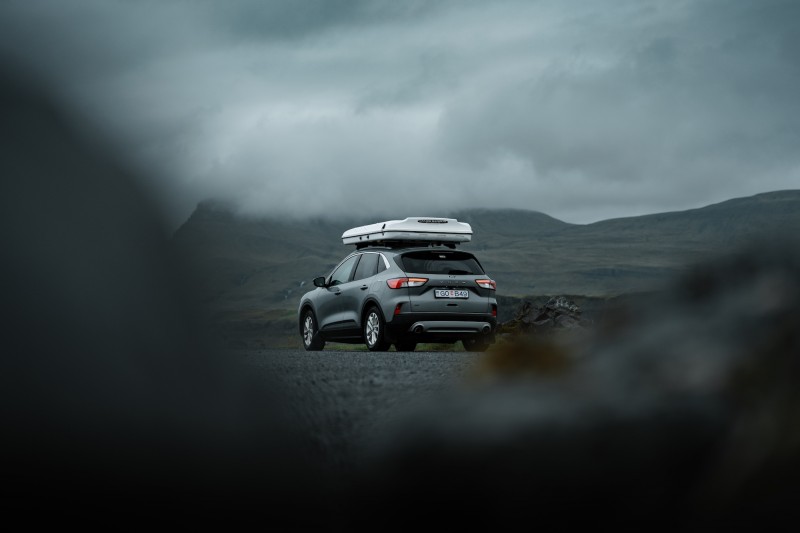
What You Should Pack for Iceland in September?
Think layers and waterproof protection rather than a single heavy winter coat.
For a September road trip, pack:
- A waterproof and windproof outer jacket.
- Waterproof pants.
- Warm fleece or wool layers.
- Thermal base layers.
- Warm hat and gloves.
- Waterproof hiking boots with good traction.
- Several pairs of warm socks.
- Comfortable clothing for changing temperatures.
- A swimsuit for geothermal pools.
- A headlamp or flashlight, especially for camping.
- A sleeping bag suitable for cool nighttime temperatures if camping.
- Eye protection or a sleep mask if you are traveling early in September and are sensitive to daylight.
If you are sleeping in a rooftop tent, prioritize warmth and weather protection. Wind can make a tent feel significantly colder than the same temperature inside an enclosed vehicle, so bring appropriate sleeping gear and check wind forecasts before choosing where to spend the night.
Daylight Hours in September
September marks the transition from Iceland's long summer days toward much shorter winter daylight.
At the beginning of the month, Reykjavík gets roughly 14–15 hours of daylight. By the end of September, daylight has decreased to around 11–12 hours.
The exact sunrise and sunset times change every day, so use a current sunrise/sunset service when planning specific driving and hiking times.
The decreasing daylight is actually an advantage for Northern Lights hunters. By September, darkness returns during the evening, meaning you can enjoy daytime sightseeing and still have a realistic chance of seeing the aurora after dark.
For road trips, remember that less daylight means less time for sightseeing and more driving in darkness. Try to complete unfamiliar or challenging sections of your route during daylight whenever possible.
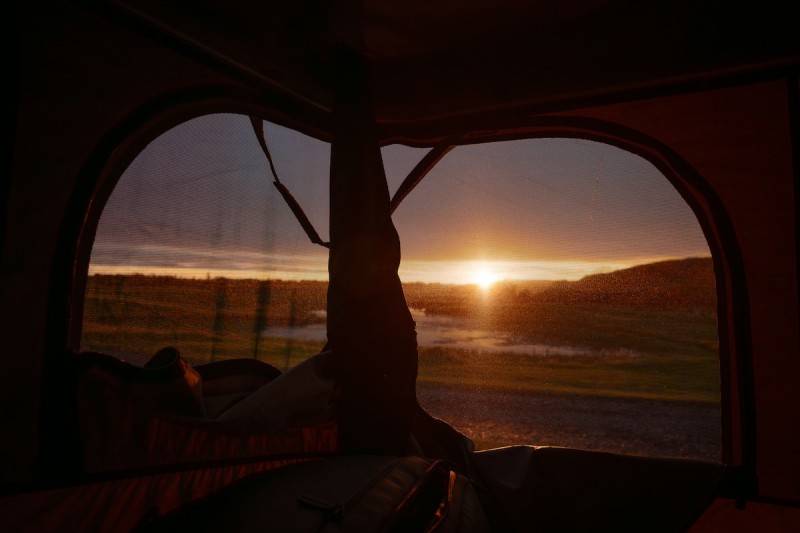
Road Conditions and Driving in September
September is generally a good month for driving around Iceland, but conditions are less predictable than during the height of summer.
The Ring Road and major paved routes are normally accessible, but strong winds, heavy rain, fog, and early snowfall can temporarily make driving difficult.
Always check road conditions before setting out, particularly if your route takes you into the mountains or across exposed areas.
Give yourself extra time between destinations and avoid building an itinerary that depends on reaching a specific location at a precise time.
Driving the Ring Road, Golden Circle, and South Coast
The Ring Road, Golden Circle, and South Coast are among the easiest areas to explore in September.
Most of the major attractions along these routes remain accessible, including waterfalls, glaciers, black-sand beaches, geothermal areas, and popular viewpoints.
However, even major roads can become hazardous during poor weather. Strong winds are particularly important for campervans and motorhomes because their larger surface area makes them more susceptible to crosswinds.
On the South Coast, allow additional time when visiting attractions such as Seljalandsfoss, Skógafoss, and the areas around Vík. Check conditions before driving, especially if strong winds or heavy rain are forecast.
Highland F-Roads: Are Mountain Passes Open in September?
September is a transition period for Iceland's Highlands.
Some F-roads can remain open into September, but there is no guaranteed closing date for all Highland roads. Individual roads close depending on weather, road conditions, and decisions by the relevant authorities.
By late September, many Highland routes may be closed or approaching seasonal closure. Snow, ice, mud, and difficult river conditions can also make a road technically open but unsuitable for your vehicle or experience level.
If visiting the Highlands is a priority, check the status of your exact route immediately before traveling. Never drive around a road closure or barrier.
Do You Need a 4x4 Rental Vehicle for September?
Not necessarily.
If your itinerary focuses on Reykjavík, the Golden Circle, the Ring Road, the South Coast, and other destinations accessible via paved roads, a standard rental car can generally be sufficient.
A 4x4 becomes important if your itinerary includes F-roads or other rough mountain routes. The vehicle must also be authorized for the specific roads you intend to use.
Do not rent a 4x4 simply because it is September. Choose your vehicle based on your route.
If you plan to explore the Highlands, check both the current road conditions and your rental agreement before setting out. Remember that a vehicle's four-wheel-drive capability does not automatically mean it is permitted to drive every mountain road.
Can You See the Northern Lights in Iceland in September?
Yes. September is the beginning of the Northern Lights season in Iceland.
The aurora can appear whenever the sky is dark enough and atmospheric conditions are favorable. Because September nights are becoming longer, you have increasingly good opportunities to see the Northern Lights as the month progresses.
However, there is never a guarantee. You need a combination of darkness, clear or partly clear skies, and sufficient auroral activity.
This is another reason a rental car is useful: you can leave areas with cloud cover and look for darker locations away from city lights.
Ideal Conditions for September Aurora Hunting
The ideal conditions for seeing the Northern Lights include:
- A sufficiently dark sky.
- Clear or partly clear weather.
- Limited light pollution.
- Solar activity strong enough to produce visible aurora.
- Patience and flexibility.
Cloud cover is one of the biggest obstacles. Even strong aurora activity isn’t visible through thick clouds.
Check the aurora forecast and cloud forecast before heading out. If conditions look promising, find a safe parking location away from Reykjavík's strongest light pollution.
Do not stop your vehicle on the side of a major road simply because you see aurora activity. Pull completely off the roadway in a legal, safe location and make sure you are not blocking traffic.
Best Northern Lights Locations Accessible by Rental Car
You don't need to drive to a remote part of the country to see the Northern Lights.
From Reykjavík, areas outside the city can offer darker skies, while destinations throughout the countryside provide even better opportunities when weather conditions cooperate.
Good road-trip regions include:
- The Reykjanes Peninsula.
- South Iceland.
- Areas around Vík.
- Snæfellsnes Peninsula.
- North Iceland.
- West Iceland.
- Rural areas along the Ring Road.
The best location on a particular night is not necessarily the most famous Northern Lights destination, but the place with the clearest skies and darkest conditions (least light pollution).
Top Things to Do in Iceland in September
September is an excellent month for combining outdoor activities, sightseeing, geothermal experiences, and road trips.
With fewer visitors than in the busiest summer months and increasingly dark evenings, you can build an itinerary that includes both daytime adventures and nighttime aurora hunting.
Soaking in Geothermal Hot Springs and Lagoons
A geothermal soak is ideal for September's cool weather.
Iceland has geothermal pools, hot springs, and lagoons throughout the country, ranging from modern spa experiences to hidden natural hot springs and local swimming pools.
Some popular facilities can become busy even outside peak summer, so reservations may be useful for major commercial lagoons.
For a road trip, local swimming pools can also be a great option. They are often less expensive than luxury lagoons and provide an opportunity to experience an everyday part of Icelandic culture.
Hiking, Waterfalls, and Sightseeing
September is still a good month for hiking and sightseeing, provided you choose routes appropriate for the weather.
Waterfalls can be particularly impressive, while autumn colors begin appearing in some areas. Popular locations such as Skógafoss, Seljalandsfoss, Gullfoss, and Goðafoss remain excellent road-trip stops.
Be more cautious with high-elevation hikes and exposed trails. Rain, wind, fog, and early snow can make conditions substantially different from those you would encounter in July.
Always check the forecast and trail conditions before leaving your vehicle.
Driving the Golden Circle
The Golden Circle is one of Iceland's easiest self-drive routes and works very well in September.
The classic route includes Þingvellir National Park, the Geysir geothermal area, and Gullfoss waterfall. You can complete it as a day trip from Reykjavík or incorporate it into a longer itinerary.
September's cooler weather can make walking around the attractions more comfortable than during warmer summer days, while fewer visitors can make some stops feel more relaxed.
Allow extra time if the forecast calls for rain or strong winds.
Road Trip Around the Ring Road
September is one of the most attractive months for a Ring Road adventure.
You can potentially travel around much of the country while enjoying a mixture of summer-accessible attractions and emerging autumn scenery. The longer nights also provide opportunities for Northern Lights hunting.
However, don't underestimate the distance. Iceland's Ring Road covers approximately 1,300 kilometers (800 miles), and a worthwhile trip should allow enough time for sightseeing rather than treating the route as a race.
Build flexibility into your itinerary so that a storm or difficult driving day doesn't ruin your entire schedule.
Events & Cultural Experiences
September brings Iceland's cultural calendar into the autumn season, with concerts, exhibitions, local events, and community festivals taking place in different parts of the country.
The exact events vary from year to year, so check local tourism websites and event calendars for the dates of your trip.
September is also a good time to spend more time in Iceland's towns. When the weather isn't ideal for hiking, visit museums, cafés, swimming pools, restaurants, and cultural attractions instead.
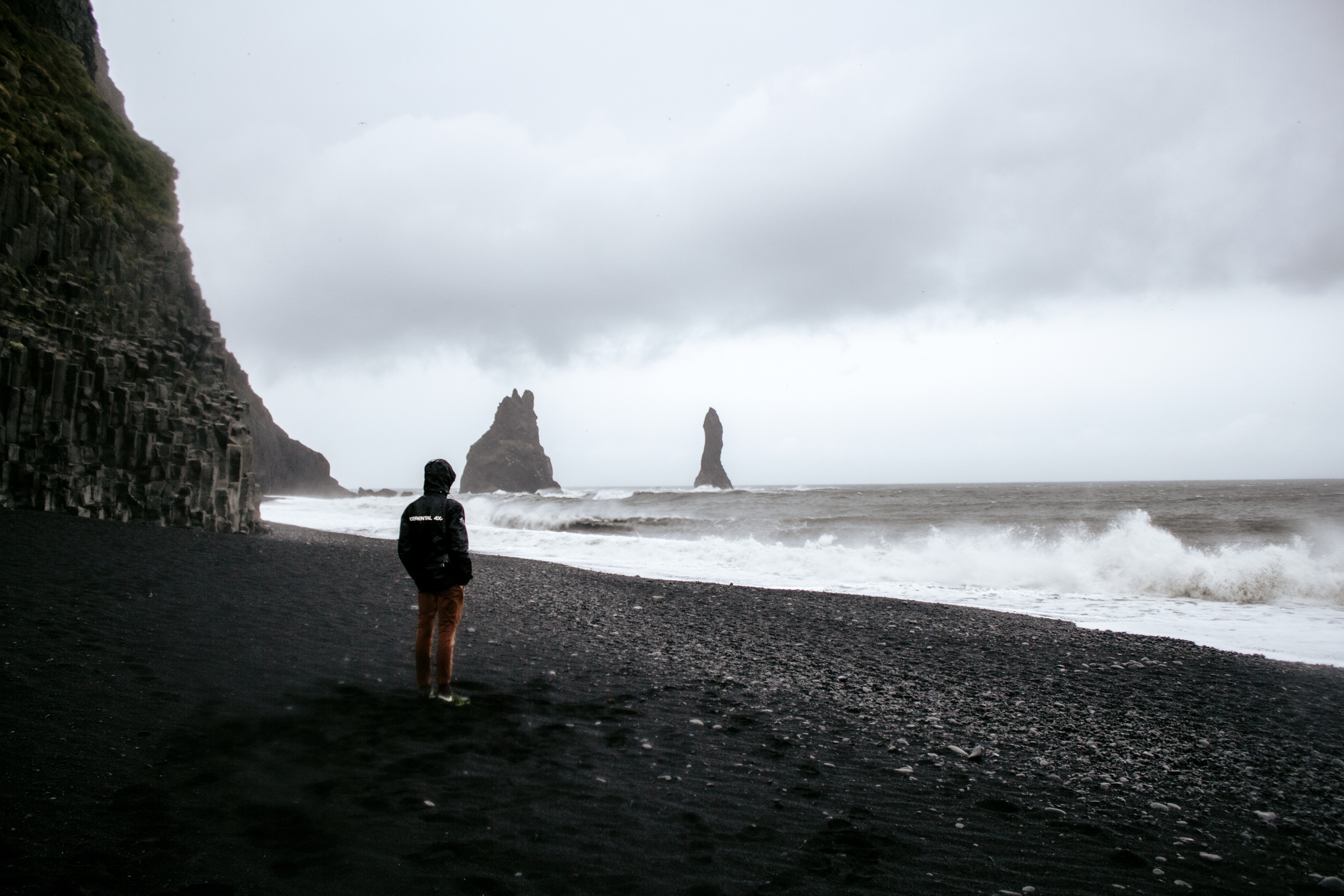
Camping in Iceland in September
Camping in September is possible, but conditions are considerably more autumnal than in July or August.
Some campsites remain open throughout September, while others operate seasonally and may close earlier in the month. Always verify the opening dates of your intended campsites rather than assuming that a campsite will be operating because it was open during summer.
If you are traveling in a campervan or motorhome, September can be comfortable when temperatures are moderate, but cold nights, wind, and rain should be expected.
Rooftop-tent travelers need to be especially prepared. Strong winds can make sleeping in an elevated tent uncomfortable or unsafe, and wet weather can make setting up and packing away more difficult.
Before camping in Iceland be sure to check:
- Overnight temperatures.
- Wind speed and gusts.
- Rain and snow forecasts.
- Campsite opening dates.
- Available facilities.
- Your vehicle's heating and electrical setup.
- Your sleeping bag's temperature rating.
If strong winds are forecast, consider staying in an enclosed camper or choosing indoor accommodation instead of sleeping in a rooftop tent.
Never assume that you can simply park and spend the night anywhere in Iceland. Use designated campsites or obtain the necessary permission to camp.
Saving Money in September: What About Travel Costs
September can offer better value than the busiest summer months, although Iceland remains an expensive destination compared with many other countries.
Rental-car prices can become more competitive after the peak summer period, particularly later in September. Accommodation prices may also be lower than during June, July and August, although demand can vary depending on location and specific dates.
Traveling by camper can potentially reduce accommodation costs because your vehicle combines transportation and sleeping arrangements. However, remember to budget for campsite fees, fuel, food, and any parking or attraction charges.
Other ways to manage your budget while traveling in Iceland include:
- Booking your rental vehicle early.
- Comparing different vehicle categories.
- Shopping at Icelandic supermarkets instead of relying on restaurants.
- Using campsites rather than hotels where appropriate.
- Cooking some meals yourself.
- Planning your fuel stops.
- Traveling later in September if your schedule is flexible.
Prices can vary significantly, so compare the total cost of your trip rather than looking only at the daily rental rate.
Frequently Asked Questions
Traveling in Iceland in early fall comes with its own circumstances of which visitors should be aware.
- Do I need a 4x4 vehicle in Iceland in September?
Not for most classic Iceland road trips.
A standard rental car can be suitable for the Ring Road, Golden Circle, South Coast, and many other major destinations.
You should choose a 4x4 if your itinerary includes F-roads or specific rough mountain routes that require an appropriate four-wheel-drive vehicle. Always check the road conditions and your rental agreement before using these roads.
- Does it snow in Iceland in September?
Yes, snow is possible in September, particularly at higher elevations and later in the month.
Snow is not normally the dominant weather condition in lowland areas during September, but an early winter storm can produce snow and icy roads.
The possibility becomes more relevant if you are traveling through mountain passes or the Highlands. Check the forecast and road conditions before setting out.
- Is Iceland crowded in September?
September is generally less crowded than July and August, particularly later in the month.
However, Iceland's most famous attractions can still be busy during the first half of September. Popular locations such as the Golden Circle, Seljalandsfoss, Skógafoss, and Reynisfjara can attract substantial numbers of visitors.
Traveling early in the morning or later in the day can help you avoid the busiest periods.
- What insurance do I need for a September road trip?
The right insurance depends on your rental company, vehicle, itinerary, and risk tolerance.
Iceland's weather can bring strong winds, rain, gravel, and changing road conditions. If you are traveling outside the main paved routes, check exactly what your rental agreement and insurance cover.
Pay particular attention to restrictions involving:
- Gravel roads.
- F-roads.
- River crossings.
- Sand and ash.
- Wind damage.
- Tires and windshield damage.
- Driving on roads that are closed.
Do not assume that choosing a 4x4 means all types of road damage are covered. Read the rental company's insurance terms before your trip.
Ready for Your September Adventure in Iceland?
September offers a fantastic combination of road-trip freedom, changing landscapes, fewer crowds, and the return of dark nights for Northern Lights hunting.
Whether you're planning a classic Ring Road journey, a Golden Circle day trip, a South Coast adventure, or a longer camper vacation, the most important thing is to match your vehicle and itinerary to the conditions.
Choose your rental vehicle based on where you actually plan to drive, keep an eye on Iceland's weather and road conditions, and leave enough flexibility for the unexpected.
Then all that's left is to hit the road and enjoy Iceland in one of its most rewarding transitional seasons.
