
Solo Travel in Iceland: Your Ultimate 2026 Guide
Planning a solo trip to Iceland? Discover safety tips, itineraries, budgeting advice, driving information, and the best places to explore alone in Iceland.
Iceland has become one of the world’s most popular destinations for solo travelers, and for good reason. From dramatic waterfalls and volcanic landscapes to friendly locals and safe roads, Iceland offers the perfect combination of adventure, freedom, and peace of mind for travelers exploring on their own.
Whether you are planning a short Reykjavík getaway, a Ring Road road trip, or a remote Highlands adventure, solo travel in Iceland allows you to move at your own pace while experiencing some of the most spectacular scenery on Earth.
This guide covers everything you need to know about traveling solo in Iceland, including safety tips, budgeting advice, self-drive itineraries, weather conditions, and practical travel information.
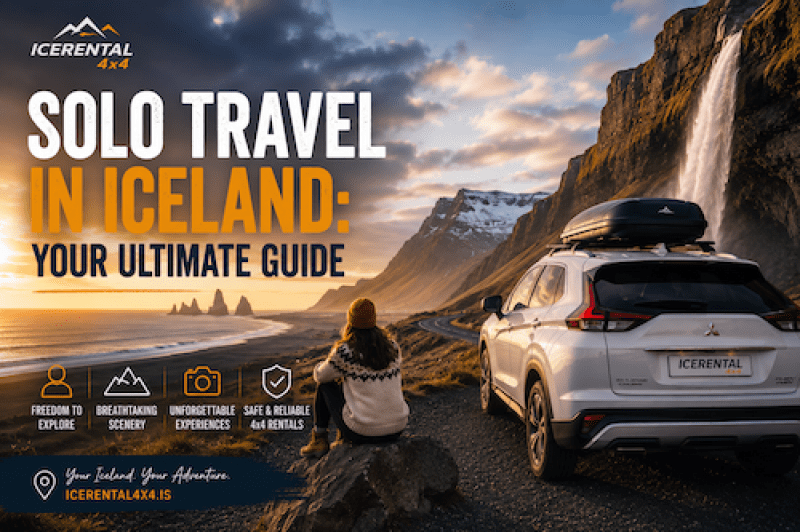
Why Iceland is the Perfect Destination for Solo Travelers
Iceland is especially well suited for solo travel thanks to its small population, modern infrastructure, and strong tourism industry. The country is easy to navigate, locals are generally helpful, and many attractions are accessible by car.
Some of the main reasons solo travelers love Iceland include:
- Excellent road trip opportunities
- High safety standards
- English widely spoken
- Stunning nature and photography spots
- Well-maintained tourist facilities
- A strong culture of independent travel
Whether you want to relax in geothermal lagoons, hike glaciers, chase waterfalls, or simply drive through incredible landscapes, Iceland makes solo travel both exciting and manageable.
Is Iceland Safe to Visit Alone?
Iceland is consistently ranked among the safest countries in the world. Violent crime rates are extremely low, and travelers generally feel comfortable exploring both cities and remote areas independently.
That said, Iceland’s biggest risks are usually related to nature and weather rather than crime. Solo travelers should always:
- Check weather and road conditions before driving
- Avoid risky hikes during storms
- Respect warning signs near beaches and cliffs
- Inform someone about remote travel plans
- Carry emergency supplies during winter trips
With proper preparation and common sense, solo travel in Iceland is considered very safe.
Is Iceland Safe for Solo Female Travel?
Iceland is widely regarded as one of the best destinations for solo female travelers. Women traveling alone often report feeling safe walking around Reykjavík, staying in hostels, or driving throughout the country.
Public transportation, accommodations, and tourist areas are generally secure, and harassment rates are low compared to many other destinations.
As with any trip, solo female travelers should still:
- Stay aware of surroundings at night
- Avoid isolated hiking areas in dangerous weather
- Share travel plans when exploring remote regions
- Follow local safety advice
Overall, Iceland is considered an excellent destination for first-time solo female travelers.
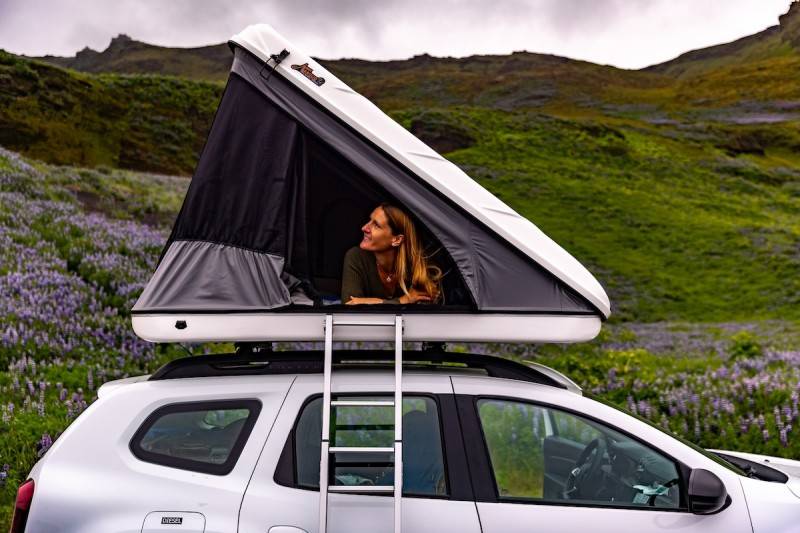
Best Time to Visit Iceland for Solo Traveler
The best time for solo travel in Iceland depends on the type of experience you want.
Summer (June–August) offers:
- Midnight sun
- Easier driving conditions
- Open Highlands roads
- More social opportunities with other travelers
Winter (November–March) offers:
- Northern Lights
- Ice caves
- Snowy landscapes
- Fewer crowds
Spring and autumn provide a balance between lower prices and good road conditions.
Before booking your trip, it is helpful to check Iceland’s temperature by month to better prepare for seasonal conditions.
How to Plan a Solo Journey in Iceland
Planning ahead is essential for a smooth solo road trip in Iceland. The country’s remote geography means fuel stations, accommodations, and grocery stores may be far apart in some regions.
The Golden Circle
The Golden Circle is the perfect route for first-time solo travelers. This famous driving route includes:
- Þingvellir National Park
- Gullfoss waterfall
- Geysir geothermal area
The route can easily be completed as a day trip from Reykjavík and offers excellent roads, visitor facilities, and plenty of opportunities to meet other travelers.
The Ring Road
The Ring Road circles the entire country and is ideal for longer solo adventures. Most travelers complete the route in 7–10 days.
Highlights include:
- South Coast waterfalls
- Glacier lagoons
- Eastfjords
- North Iceland geothermal areas
- Snæfellsnes Peninsula
Driving the Ring Road provides maximum flexibility and allows solo travelers to stop whenever they want for photography or sightseeing.
Self-Drive vs. Guided Tours in Iceland
Self-driving is the most popular way to explore Iceland because it gives travelers complete freedom and flexibility. However, guided tours can also be useful during winter or for specialized activities like glacier hiking or ice cave tours.
Before renting a vehicle, it is important to know about driving in Iceland, including weather conditions, gravel roads, and local driving rules.
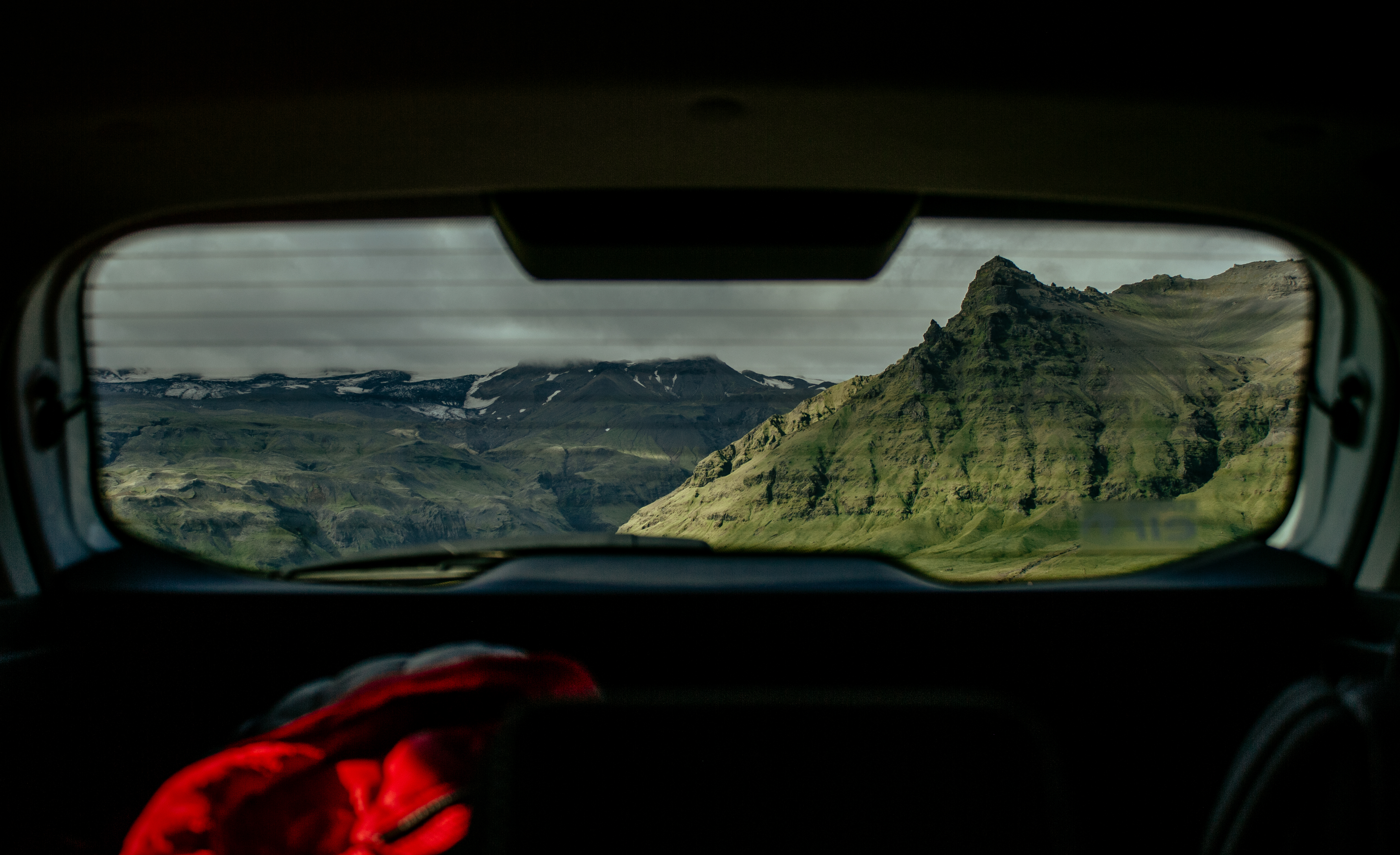
Iceland Solo Travel Itinerary Samples
Planning a realistic itinerary helps solo travelers avoid long exhausting driving days and enjoy Iceland more comfortably.
4-Day Solo Trip
Day 1: Reykjavík Arrival
- Explore downtown Reykjavík
- Visit Hallgrímskirkja church
- Relax at Sky Lagoon or Blue Lagoon
- Driving time: Minimal
Day 2: Golden Circle
- Visit Þingvellir National Park
- See Gullfoss waterfall
- Explore Geysir geothermal area
- Optional Secret Lagoon stop
- Driving time: 4–5 hours total
Day 3: South Coast
- Seljalandsfoss waterfall
- Skógafoss waterfall
- Reynisfjara black sand beach
- Overnight near Vík
- Driving time: 5–6 hours total
Day 4: Return to Reykjavík
- Optional glacier hike or lava tunnel
- Return rental vehicle
- Departure flight
- Driving time: 3–4 hours
7-Day Solo Ring Road Itinerary
Day 1: Reykjavík to Vík
- Golden Circle stops
- South Coast waterfalls
- Reynisfjara beach
- Driving time: 5–6 hours
Day 2: Vík to Höfn
- Skaftafell National Park
- Jökulsárlón Glacier Lagoon
- Diamond Beach
- Driving time: 4–5 hours
Day 3: Höfn to Egilsstaðir
- Eastfjords scenic drive
- Small fishing villages
- Coastal viewpoints
- Driving time: 5–6 hours
Day 4: North Iceland
- Dettifoss waterfall
- Lake Mývatn
- Geothermal areas
- Driving time: 4–5 hours
Day 5: Akureyri & North Coast
- Explore Akureyri
- Whale watching options
- Scenic fjord drives
- Driving time: 4–5 hours
Day 6: Snæfellsnes Peninsula
- Kirkjufell mountain
- Black beaches
- Lava fields
- Driving time: 5–6 hours
Day 7: Return to Reykjavík
- Explore remaining Reykjavík attractions
- Blue Lagoon stop
- Departure preparation
- Driving time: 2–3 hours
How to Budget for a Solo Trip in Iceland
Iceland is known for being an expensive destination, but solo travelers can still manage costs with good planning.
Average daily budgets:
- Budget traveler: €100–150 per day
- Mid-range traveler: €180–300 per day
- Luxury traveler: €400+ per day
Accommodation, fuel, food, and activities are the largest expenses.
Travelers looking to reduce costs should read more about visiting Iceland on a budget before booking.
Food Costs
Restaurant prices in Iceland can be high, especially in tourist areas. Budget-conscious travelers often save money by cooking meals or shopping at supermarkets.
You can learn more about food prices in Iceland before your trip.
Groceries & Supplies
Most solo travelers purchase groceries from supermarkets such as Bónus or Krónan to reduce food costs during road trips.
Planning ahead for grocery shopping is especially important when driving through remote regions.
Budget for Gas
Fuel costs are another important expense for self-driving travelers, especially on long Ring Road itineraries.
Checking the current cost of gas can help travelers estimate transportation expenses more accurately.
Icelandic Kilometer Fee
Some rental agreements may include kilometer limits or extra mileage charges depending on the vehicle category and rental duration.
Solo travelers planning long road trips should always confirm mileage policies before booking.
How to Meet People in Iceland?
Although Iceland is perfect for independent travel, solo travelers can still meet other visitors and locals throughout the journey.
Social Events & Hubs
Reykjavík has many cafés, bars, hostels, and social spaces where travelers naturally meet.
Popular places include:
- Hostel common areas
- Live music bars
- Coffee shops
- Walking tours
- Group excursions
Many solo travelers find Iceland’s tourism community friendly and easy to connect with.
Local Pools
Geothermal pools are an important part of Icelandic culture and excellent places to socialize.
Public pools are affordable, relaxing, and often visited by both locals and tourists year-round.
Meeting Fellow Campers
Campgrounds provide excellent opportunities to meet other travelers, especially during summer.
Shared kitchens, campfire areas, and communal facilities create a social atmosphere for road trippers.
Iceland Weather & Driving Conditions
Iceland’s weather changes quickly and can strongly affect driving conditions.
Travelers should prepare for:
- Strong wind
- Rain and snow
- Gravel roads
- Sudden storms
- Winter ice
- Limited daylight during winter
Road conditions can vary dramatically between regions, particularly in the Highlands and northern parts of the country.
Checking forecasts and road updates daily is essential for safe solo travel.
Essential Travel & Safety Apps
Several apps are extremely useful for solo travelers driving in Iceland.
SafeTravel
SafeTravel allows travelers to submit travel plans and receive emergency safety alerts.
It is especially useful for hikers and drivers visiting remote regions.
Iceland Meteorological Office
The Icelandic Meteorological Office provides detailed weather forecasts, wind warnings, and aurora predictions.
Checking forecasts regularly is critical for safe driving.
Icelandic Road and Coastal Administration
This service provides live road conditions, closures, webcams, and driving alerts throughout Iceland. Drivers should check road conditions every day before departing by visiting road.is.
112 Iceland
The 112 Iceland app helps travelers contact emergency services quickly and share their GPS location if assistance is needed.
What to Pack for Solo Travel in Iceland
Packing correctly is essential because Iceland’s weather can change multiple times in one day.
Important items include:
- Waterproof jacket and pants
- Warm thermal layers
- Hiking boots
- Gloves and hat
- Portable charger
- Reusable water bottle
- Swimsuit for geothermal pools
- Emergency snacks for road trips
Before your trip, it is useful to learn more about what to wear in Iceland for all seasons and activities.
Frequently Asked Questions
Here are answers to some of the most common questions about solo travel in Iceland:
- What is the best time of year for a solo trip?
Summer is usually the easiest season for solo travel thanks to mild weather and long daylight hours. Winter is ideal for Northern Lights and snow activities.
- Is it easy to travel to Iceland alone?
Yes. Iceland is considered one of the easiest and safest countries for solo travelers due to its infrastructure, low crime rates, and well-developed tourism services.
- How much should I budget per day as a solo traveler?
Most solo travelers spend between €100–300 per day depending on accommodation style, activities, and rental vehicle choice.
- Do people speak English in Iceland?
Yes. English is widely spoken throughout Iceland, especially in tourist areas, hotels, restaurants, and rental companies.
Start Your Solo Trip in Iceland
Solo travel in Iceland offers freedom, adventure, and unforgettable landscapes unlike anywhere else in the world. Whether you want to drive the Ring Road, explore glaciers, relax in geothermal pools, or discover remote waterfalls, Iceland is an incredible destination for independent travelers.
With the right planning, proper clothing, and a reliable rental vehicle, you can safely explore Iceland at your own pace and create an unforgettable adventure.
